

Lead Generation
Lead Generation: 8 Effective Guide to Attract Quality Leads
1. Introduction
In 2025, Lead Generation has become one of the most critical pillars of business growth. The digital world is evolving faster than ever—new competitors are entering the market every day, customer behavior is constantly changing, and brands must work harder to capture people’s attention. In such a competitive environment, relying only on traditional marketing is not enough. Businesses need a strong, predictable, and scalable lead generation system that brings consistent, high-quality leads month after month.
Whether you are running a small local business, an online startup, an agency, or a well-established brand, the success of your business depends heavily on how effectively you generate leads. Without a steady stream of leads, sales slow down, customer growth becomes unstable, and long-term business expansion becomes difficult. But with the right lead generation strategies, you can not only attract the right audience but also build trust, increase conversions, and create long-lasting customer relationships.
Lead Generation in 2025 is no longer just about collecting emails or phone numbers—it is about understanding your audience, offering real value, using smart technologies, and nurturing leads with personalized communication. Modern businesses use a combination of SEO, social media, paid ads, automation, AI tools, and high-quality content to reach people at the right time and guide them smoothly through the buying journey.
This blog is designed as a complete beginner-friendly guide. It explains everything you need to know about Lead Generation, from basic concepts to advanced strategies, industry best practices, and future trends. The language is simple, clear, and practical, so anyone can understand and apply these techniques—whether you’re a business owner, marketer, student, or freelancer.
By the end of this blog, you will know how to attract quality leads, convert them effectively, and build a system that supports long-term business success in 2025 and beyond.
2. What Is Lead Generation?
Lead Generation is the process of identifying, attracting, and converting people who show interest in your product or service into potential customers. In simple words, it means finding the right audience, grabbing their attention, and encouraging them to share their contact details so your business can guide them toward making a purchase.
Whenever someone willingly shares information such as:
- Name
- Email address
- Phone number
- Business details
- Service requirements
- Location
- Budget or interest level
they officially become a lead. This information allows your business to understand who the person is, what they are looking for, and how you can help them.
Lead Generation doesn’t happen by accident—it is a planned strategy. People don’t give their details just because you ask; they share them because they find value in what you’re offering. That value may be:
- A free consultation
- A discount
- A helpful guide
- A free demo
- A webinar
- A checklist
- A sample product
When a person gives their contact details in exchange for value, they enter your sales funnel. From there, your business follows up through emails, messages, calls, or ads to convert them into paying customers.
Modern Lead Generation is not just about collecting data—it is about building trust. In 2025, customers are more aware, more selective, and expect personalized communication. This makes it important for businesses to use smart techniques like social media marketing, SEO, ads, automation, and high-quality content to attract the right leads.
Simply put, Lead Generation is the bridge between your marketing efforts and your sales growth. Without leads, your business has no one to sell to. With strong, targeted lead generation, your business can grow faster, convert better, and stay ahead in a competitive market.
3. Why Lead Generation Is Important?
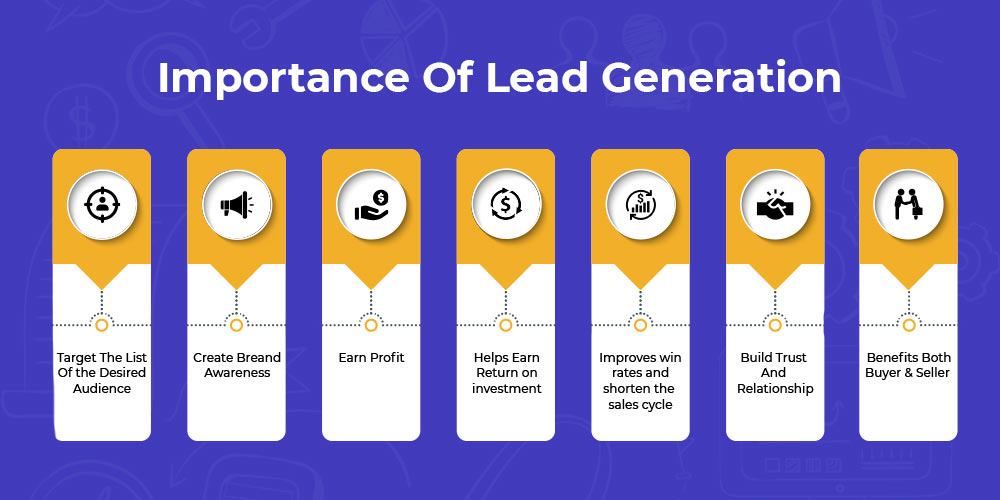
Lead Generation is the foundation of every successful business. No matter how good your product or service is, you cannot grow unless people know about it and show interest in buying it. That’s exactly where lead generation plays a crucial role. It helps you attract the right audience, convert them into potential customers, and keep your sales pipeline full throughout the year.
4. Types of Leads
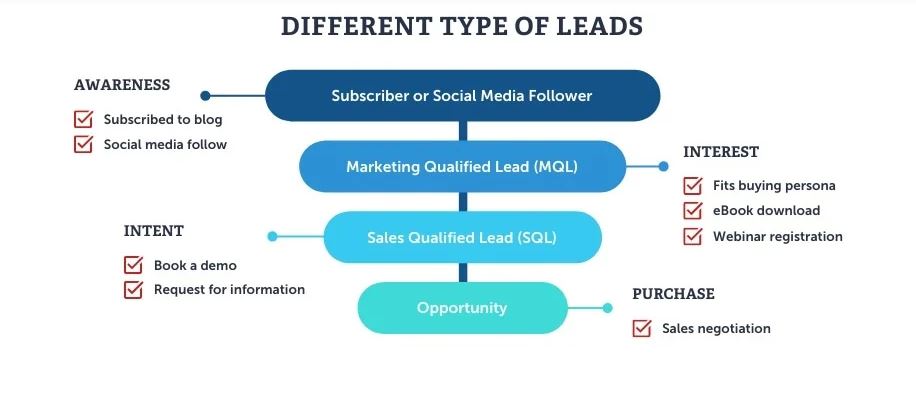
Understanding the different types of leads is one of the most important steps in creating a successful Lead Generation strategy. Not all leads are the same—each type has a different level of interest, awareness, and readiness to buy. When you know what type of lead you’re dealing with, you can tailor your communication, marketing approach, and sales process accordingly.
Here are the main types of leads every business must know:
4.1 Cold Leads
Cold leads are people who don’t know your brand yet. They may not be aware of your products, services, or the value you offer. These leads require:
- Brand awareness
- Educational content
- Social media engagement
- Ads that introduce your business
Cold leads are at the top of the funnel, and the goal is to warm them up by offering useful information and value.
4.2 Warm Leads
Warm leads are individuals who already know your brand but are not ready to buy immediately. They have shown some interest, such as:
- Visiting your website
- Following your social media
- Watching your videos
- Engaging with your content
They need trust-building and nurturing. These leads respond well to:
- Email marketing
- Case studies
- Testimonials
- Free resources
- Personalized communication
Warm leads are more likely to convert but need guidance.
4.3 Hot Leads
Hot leads are highly interested and ready to buy right now. They are close to making a purchase and may have:
- Filled out a contact form
- Requested a quote
- Asked for pricing
- Booked a demo
These leads should be prioritized by the sales team because they have strong intent and require quick responses. Smart businesses treat hot leads with urgency to avoid losing sales.
4.4 MQLs (Marketing Qualified Leads)
Marketing Qualified Leads are people who actively engage with your marketing activities but may not be ready for a sales conversation yet. For example:
- They download your ebook
- Sign up for your webinar
- Subscribe to your newsletter
- Visit your blog frequently
They are interested, but they need more nurturing before talking to sales. MQLs show potential and can become strong leads with proper follow-up.
4.5 SQLs (Sales Qualified Leads)
Sales Qualified Leads are people who are ready for direct communication with your sales team. They have:
- Shown strong buying intent
- Asked for detailed information
- Clearly stated their needs
- Expressed interest in your solution
These leads are close to purchasing and should be handled professionally through calls, demos, proposals, or one-on-one meetings.
Why Understanding Lead Types Matters
Knowing these lead types helps your business:
- Communicate better
- Avoid wasting time
- Send the right message at the right time
- Increase conversions
- Build trust with the audience
- Improve overall marketing performance
When your marketing and sales teams understand lead levels, your entire lead generation system becomes more efficient and effective.
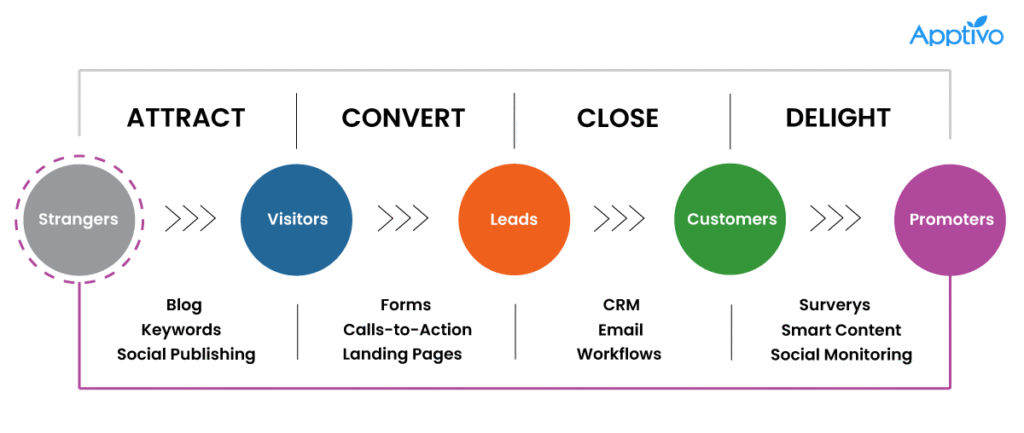
5. Lead Generation Process Explained
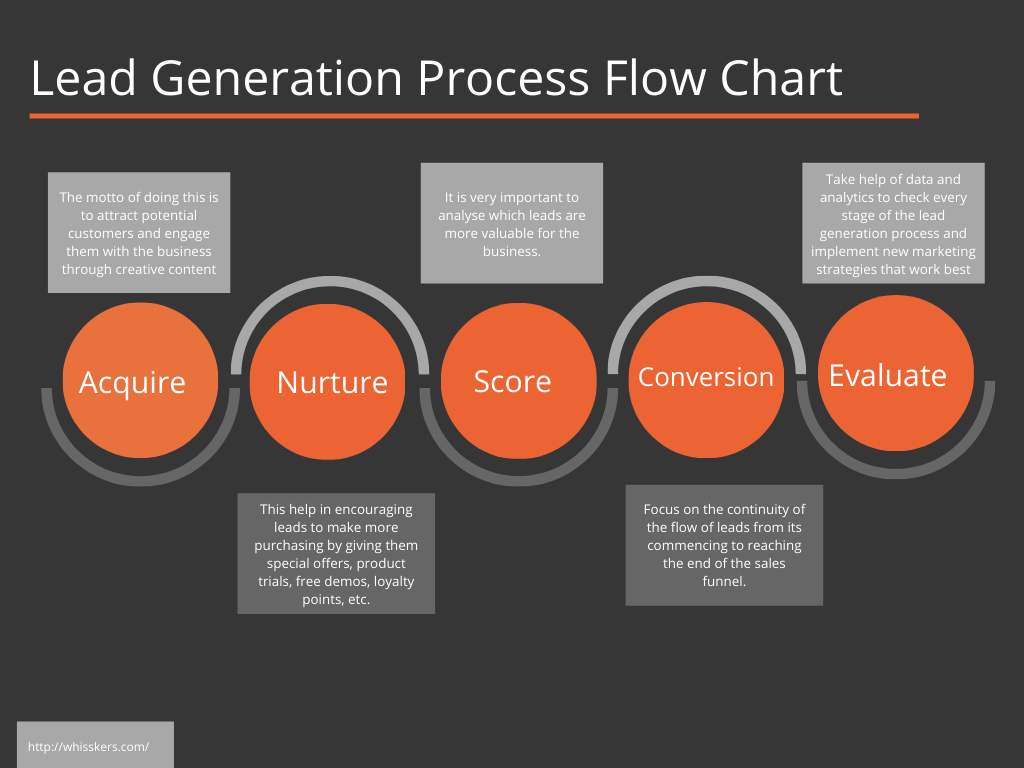
Step 1: Attract Use SEO, ads, and content to get people’s attention.
Step 2: Convert Offer something valuable like a guide, discount, or free demo.
Step 3: Capture Collect contact information via forms or landing pages.
Step 4: Nurture Send emails, updates, or offers to build trust.
Step 5: Close Turn the lead into a paying customer.
6. Best Lead Generation Strategies for 2025
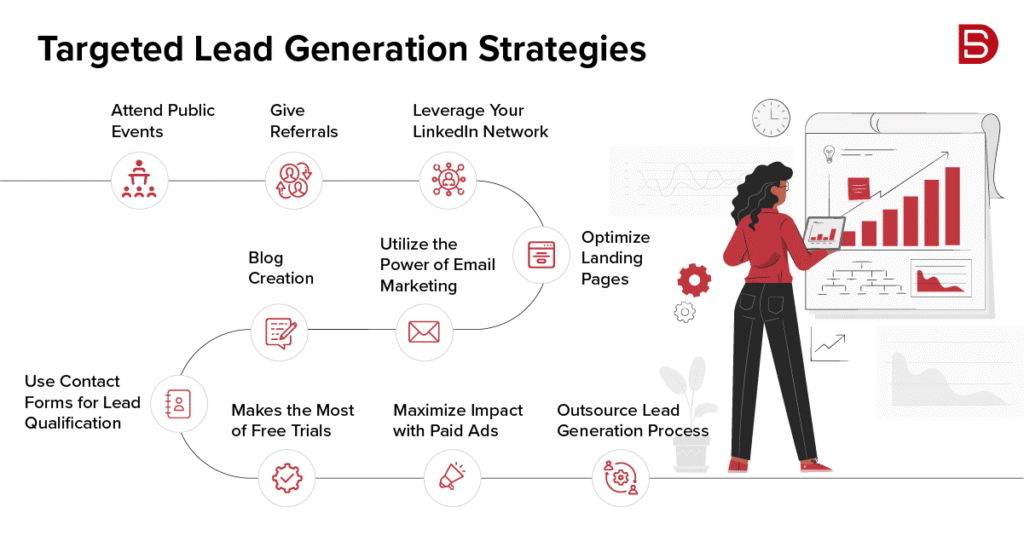
A. Social Media Lead Generation
In 2025, social media has become one of the most effective and fastest ways to generate high-quality leads. Platforms like Facebook, Instagram, LinkedIn, YouTube, and even WhatsApp give businesses direct access to millions of active users who are already engaging with brands every single day. With the right strategy, social media can help you attract fresh leads consistently without spending huge budgets.
Social media isn’t just about posting—it’s about connecting, engaging, educating, and encouraging people to take action. What makes social media so powerful is that your audience is already spending hours daily on these platforms, making it easier for you to reach them at the right time with the right message.
Here’s how to use social media effectively for lead generation:
6.1 Use Built-In Lead Forms
Platforms like Facebook and Instagram offer Lead Form Ads where people can submit their details instantly without leaving the app. Benefits:
- Super fast form submission
- Higher conversion rates
- Pre-filled user data
- Works well for all industries
These forms are perfect for collecting phone numbers, emails, and service inquiries.
6.2 Create High-Engagement Reels
Reels are the most viral content format in 2025. Use reels to:
- Explain benefits of your service
- Share tips
- Show behind-the-scenes
- Make quick promotions
- Highlight customer results
Reels help build trust and drive people to DM, click links, or visit your profile.
6.3 Use Story Ads
Instagram and Facebook Stories are powerful for lead generation because users watch them daily. Story ads allow you to add:
- Swipe-up links
- CTA buttons
- Offers
- Lead forms
These ads feel natural and convert much faster than normal posts.
6.4 Share Educational Content
People follow brands that teach, guide, and help them, not just sell to them. Create content like:
- Tips
- How-to videos
- Infographics
- Mini-guides
- Industry trends
- Pain-point solving posts
Educational content builds trust and positions your brand as an expert.
6.5 Polls & QnA for Direct Engagement
Interactive content such as polls, quizzes, and QnA sessions boosts engagement and helps you understand what your audience wants. You can use these to:
- Collect insights
- Understand pain points
- Drive conversations
- Encourage message inquiries
The more people interact with your content, the more the algorithm boosts your reach.
6.6 Use DMs as a Lead Conversion Channel
Direct messages (DMs) have become a top lead generation tool. You can convert leads through:
- Quick replies
- Auto-responders
- Sales scripts
- Free resources
- Consultation links
People find it easier to ask questions through DMs, making it a great way to build personal relationships.
6.7 Go Live Regularly
Live sessions create a sense of authenticity and allow real-time interaction. Use Lives to:
- Answer questions
- Showcase services
- Share updates
- Build trust
- Highlight success stories
The more people see your face, the more they trust your brand.
7. Lead Magnets That Convert
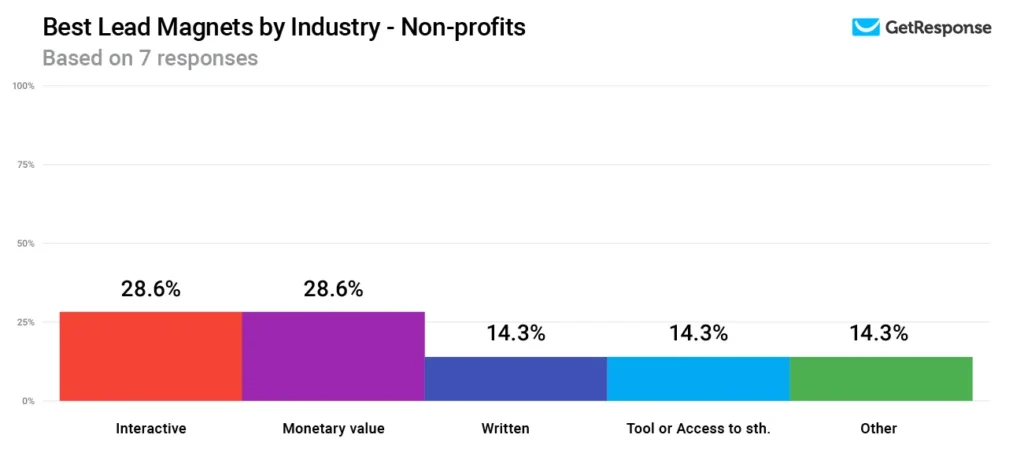
Lead magnets are offers that encourage people to share their details.
Examples:
- Free ebook
- Discount coupon
- Free consultation
- Checklist
- Template
- Webinar
- Free trial
A strong lead magnet increases conversion rates.
8. Lead Generation Tools & Software
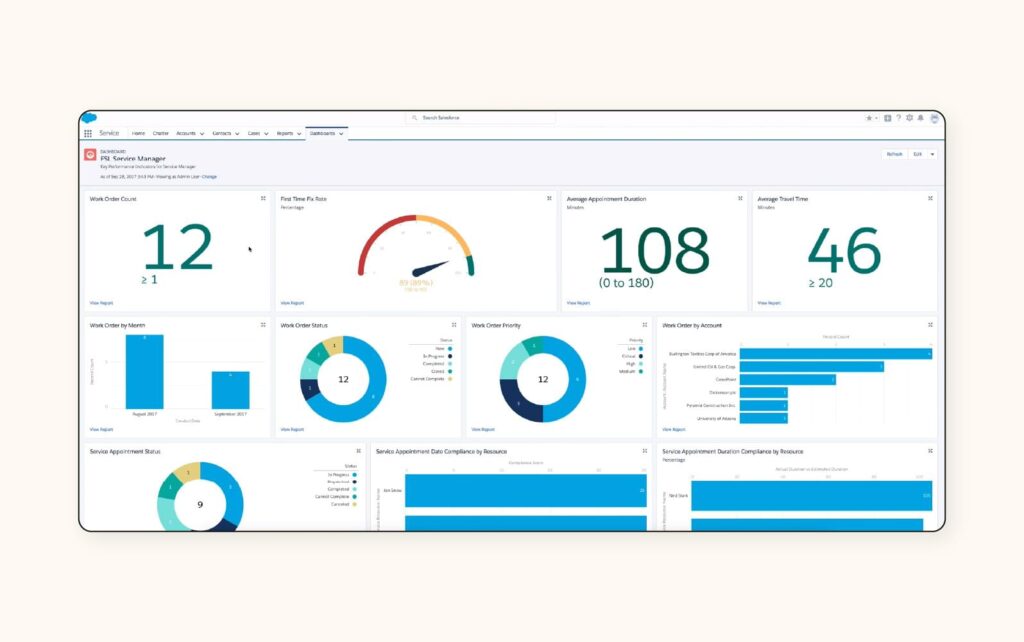
In 2025, Lead Generation has become smarter, faster, and more automated—thanks to powerful tools and software that help businesses attract, nurture, and convert leads with ease. Whether you run a small startup, a local business, or a large company, using the right lead generation tools can save you time, reduce costs, and improve your overall results.
These tools help you with everything from building landing pages, sending emails, tracking lead behavior, running ads, analyzing performance, and designing high-quality content. By using a combination of these platforms, you can create a complete lead generation system that works 24/7.
Here are some of the most effective lead generation tools and what they do:
1. HubSpot
HubSpot is one of the most complete CRM and marketing automation platforms. It helps you:
- Capture leads through forms
- Manage customer data
- Track lead activity
- Automate follow-ups
- Send emails
- Analyze performance
HubSpot also offers a free CRM, making it perfect for new businesses.
2. ClickFunnels
ClickFunnels is great for creating high-converting funnels and landing pages. You can build:
- Lead capture funnels
- Webinar funnels
- Sales funnels
- Email sequences
It’s ideal for businesses that want to convert leads quickly with strong offers.
3. Mailchimp
Mailchimp is one of the most popular email marketing tools, useful for:
- Email campaigns
- Automated email sequences
- Lead nurturing
- Newsletters
- A/B testing
It’s easy to use and perfect for beginners or small business owners.
4. SEMrush
SEMrush is a powerful SEO tool that helps you generate organic leads. It helps with:
- Keyword research
- Competitor analysis
- Backlink tracking
- Content ideas
- Website audits
If you want long-term, cost-effective leads, SEMrush is extremely valuable.
5. Zoho CRM
Zoho CRM helps manage your leads, track their journey, and automate follow-ups. It includes:
- Lead scoring
- Sales pipelines
- Marketing automation
- Reporting & analytics
Ideal for businesses that want a cost-effective but powerful CRM solution.
6. Google Analytics
Google Analytics helps you understand your audience deeply by tracking:
- Website traffic
- User behavior
- Conversion rates
- Landing page performance
- Source of leads
This data helps you improve your lead generation strategies and focus on what works.
7. Meta Ads Manager
Meta Ads Manager (for Facebook & Instagram) is one of the best tools for running paid lead generation campaigns. It allows you to:
- Create lead form ads
- Target specific audiences
- Retarget website visitors
- Measure campaign performance
- Optimize ad delivery
Perfect for businesses looking to generate fast, low-cost leads.
8. Canva (for content)
Canva is essential for creating eye-catching lead generation content, such as:
- Social media posts
- Reels and story creatives
- Banners
- Infographics
- Ebooks
- Lead magnets
Good graphics increase engagement and conversions.
Lead Generation is more than just a marketing tactic—it is the engine that keeps a business growing, evolving, and succeeding in a competitive digital world. In 2025, customers are smarter, competition is stronger, and attention spans are shorter. This makes it essential for businesses to build a lead generation system that is consistent, strategic, and value-driven.
When you combine the right mix of SEO, social media marketing, paid ads, automation tools, CRM systems, and high-quality content, you create a sustainable flow of leads who are genuinely interested in your business. These leads are easier to convert, more loyal, and more valuable in the long run.
But lead generation doesn’t work overnight. It requires:
- Consistency in marketing
- Clear communication
- Strong brand value
- Understanding your audience
- Smart planning and execution
- Continuous optimization
Businesses that invest in lead generation today build a stronger, more stable future. Whether you’re a small business owner, a growing startup, or a large company, setting up the right lead generation strategy will help you scale faster, reach more customers, and stay ahead of your competitors.
If you want expert help with lead generation, SEO, social media, paid ads, or digital growth, you can partner with professionals who understand how to build strong, results-focused systems. For complete digital marketing and lead generation solutions, visit KBDigitalFly.com — your trusted partner for smart, effective, and powerful business growth.
With the right strategies, tools, and consistency, you can turn leads into customers and customers into long-term supporters. Your business growth begins with one step—building a reliable lead generation system that works for you every day.
1. What is Lead Generation?
Lead Generation is the process of attracting people who are interested in your product or service and converting them into potential customers. It helps businesses build a steady pipeline of growth.
2. Why is Lead Generation important for every business?
Because without leads, there are no sales. Lead Generation helps you find the right audience, reduce marketing waste, build trust, and scale your business predictably.
3. What is the difference between cold, warm, and hot leads?
- Cold leads: Don’t know your brand.
- Warm leads: Know your brand but need trust.
- Hot leads: Ready to buy now. Understanding this helps you plan better marketing strategies.
4. How do I generate leads through social media?
Use reels, story ads, lead forms, polls, educational posts, and consistent engagement. Platforms like Facebook, Instagram, and LinkedIn give you daily visibility.
5. What is the best lead generation strategy in 2025?
A mix of SEO, content marketing, paid ads, automation, and email nurturing works best. Using a multi-channel approach gives faster and higher-quality results.
6. What tools are needed for lead generation?
Tools like HubSpot, Canva, ClickFunnels, Zoho CRM, Google Analytics, and Meta Ads Manager help you track, manage, and improve your entire lead generation system.
7. How do I know if my lead generation strategy is working?
Track metrics like number of leads, cost per lead, conversion rate, engagement, and ROI. If these numbers improve, your strategy is successful.
8. How can small businesses generate leads without spending too much?
Use organic methods like SEO, blogging, social media content, WhatsApp marketing, and free lead magnets. Consistency can bring high-quality leads for free or very low cost.
9. Can lead generation improve customer relationships?
Yes. When you nurture leads with valuable content and personalized communication, it builds trust and long-term customer loyalty.
10. Where can I get expert help for lead generation?
If you want powerful, result-driven lead generation strategies, you can rely on KBDigitalFly.com, which provides professional marketing, ads, SEO, and automation services tailored to business growth.
Leave a comment