
Facebook Ads
Facebook Ads: 9 Beginner’s Guide to Your Business
1. Introduction to Facebook Ads
Facebook Ads are a powerful tool for businesses looking to grow online and reach their ideal customers. Unlike traditional advertising, Facebook Ads allow you to target specific audiences based on demographics, interests, behaviors, location, and even life events. This precision makes it easier to reach people who are most likely to engage with your business.
With Facebook Ads, your campaigns can appear not just on Facebook, but also on Instagram, Messenger, and the Audience Network, giving your business access to billions of users worldwide. Whether you are a small business owner, a startup, or a large brand, Facebook Ads provide flexible options to promote products, services, or content to the right audience.
One of the key benefits of Facebook Ads is their versatility. Businesses can create image ads, video ads, carousel ads, slideshow ads, or collection ads depending on their marketing objectives. From increasing brand awareness to generating leads or driving online sales, Facebook Ads offer solutions for every business goal.
Another advantage of Facebook Ads is budget flexibility. You can start small, test your campaigns, and gradually scale up as you see results. With proper targeting, creative visuals, and compelling copy, Facebook Ads can deliver measurable results, helping your business grow efficiently in the competitive digital world.
In summary, Facebook Ads combine the vast reach of social media with precise targeting and measurable outcomes, making them an essential part of modern marketing strategies for businesses of all sizes.
2. Why Facebook Ads Are Important
In today’s digital world, Facebook Ads have become one of the most effective marketing tools for businesses of all sizes. One of the biggest advantages of Facebook Ads is their massive reach. Facebook, along with Instagram, Messenger, and the Audience Network, connects over 2.9 billion users worldwide. This means your business can reach a truly global audience, ensuring that your message gets in front of potential customers wherever they are.
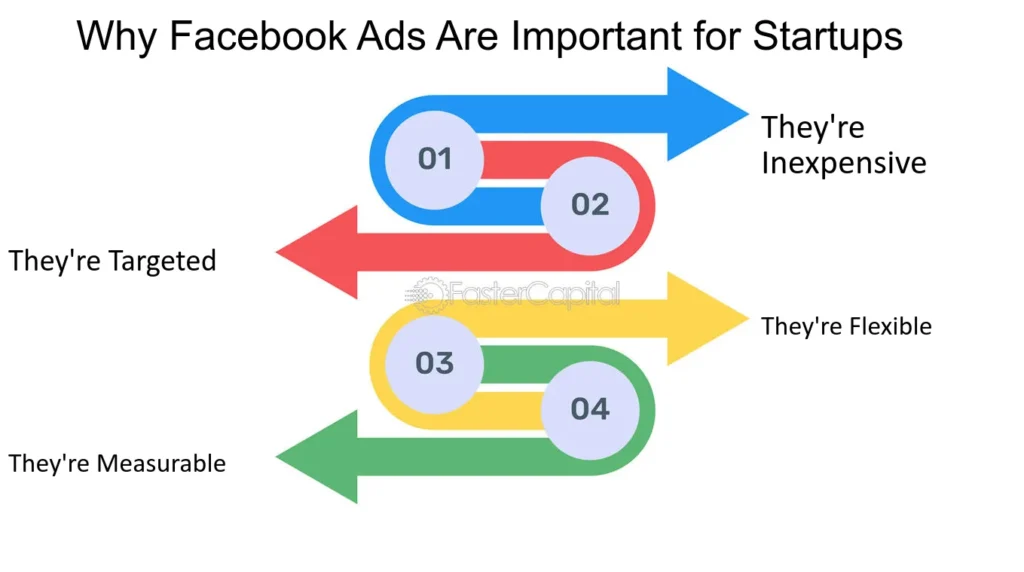
Another key reason why Facebook Ads are important is their ability to target the right audience with precision. Unlike traditional advertising, where you pay to show your message to a broad and often uninterested audience, Facebook Ads allow businesses to focus on people who are most likely to engage. You can filter audiences by age, gender, location, interests, online behavior, and even life events. For example, a local café can target people nearby who enjoy coffee or a fitness brand can reach users interested in health and wellness. This level of precision helps businesses reduce wasted spend and improve the effectiveness of their campaigns.
Facebook Ads are also affordable and flexible, making them accessible for both small businesses and large enterprises. You can start with a small budget, test different ad creatives, and gradually scale your campaigns based on performance. This makes Facebook Ads ideal for startups with limited budgets as well as established companies looking for high ROI.
In addition to reach and targeting, Facebook Ads are essential for boosting brand awareness, generating leads, and driving sales. With the right strategy, your business can attract new customers, encourage repeat purchases, and build strong brand recognition. Features like retargeting ads allow you to reconnect with people who have already interacted with your business, increasing the chances of conversions.
Finally, Facebook Ads provide measurable results. With built-in analytics and reporting tools, you can track click-through rates (CTR), conversions, cost per click (CPC), and return on ad spend (ROAS). This data helps you understand what works, optimize your campaigns, and achieve better results over time.
In short, Facebook Ads are important because they combine global reach, precise targeting, affordability, and measurable results, making them a must-have marketing tool for any business looking to succeed in the digital age.
3. Types of Facebook Ads
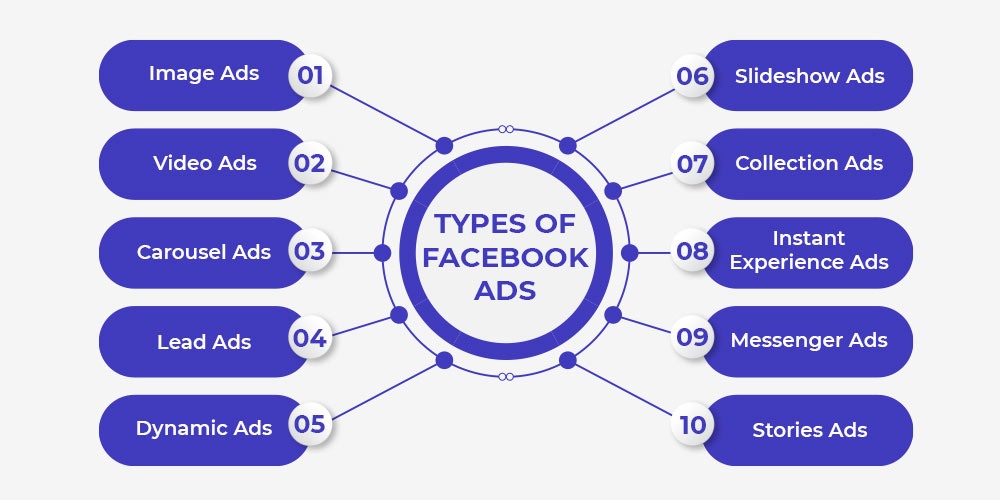
When it comes to Facebook Ads, one of the biggest advantages is the variety of ad formats available. Each type of ad serves a different purpose, allowing businesses to create campaigns that match their marketing goals, whether it’s driving traffic, generating leads, or increasing sales. Understanding the different types of Facebook Ads can help you choose the right format for your business and maximize your results.
1. Image Ads
Image Ads are the simplest form of Facebook Ads and are perfect for businesses that want to communicate a clear, visual message. A single high-quality image paired with a compelling caption can grab attention in a user’s feed. These ads are easy to create, cost-effective, and work well for promoting products, services, or special offers.
2. Video Ads
Video Ads are ideal for storytelling and engaging your audience on a deeper level. Videos allow you to show your product in action, explain services, or share your brand story. With Facebook Ads, you can create videos that autoplay in users’ feeds, increasing the chances of capturing attention. Short, captivating videos often perform best and can significantly boost brand awareness and engagement.
3. Carousel Ads
Carousel Ads let you showcase multiple products, services, or features in a single ad. Users can swipe through different images or videos, making it ideal for e-commerce stores or businesses with multiple offerings. Carousel Facebook Ads are highly interactive and often result in higher engagement and conversions because they allow users to explore more content without leaving their feed.
4. Slideshow Ads
Slideshow Ads are lightweight video ads that use a series of images or text slides to create a motion effect. They are perfect for businesses that want the benefits of video without the higher production costs. Slideshow Facebook Ads load quickly even on slow internet connections, making them accessible to a wider audience while keeping your message visually engaging.
5. Collection Ads
Collection Ads are designed specifically for e-commerce businesses. These ads allow you to showcase a collection of products that users can browse and purchase directly from the ad. When users click on a Collection Ad, they are taken to a fast-loading, mobile-friendly shopping experience within Facebook or Instagram. Collection Facebook Ads are excellent for increasing product discovery and driving online sales.
In addition to these main types, Facebook continues to innovate with lead ads, event ads, and dynamic product ads, giving businesses even more flexibility. Choosing the right type of Facebook Ads depends on your campaign goals, audience, and the type of content you want to share. By leveraging the different formats strategically, businesses can maximize engagement, reach, and conversions across Facebook’s vast network.
4. How to Create Your First Facebook Ad
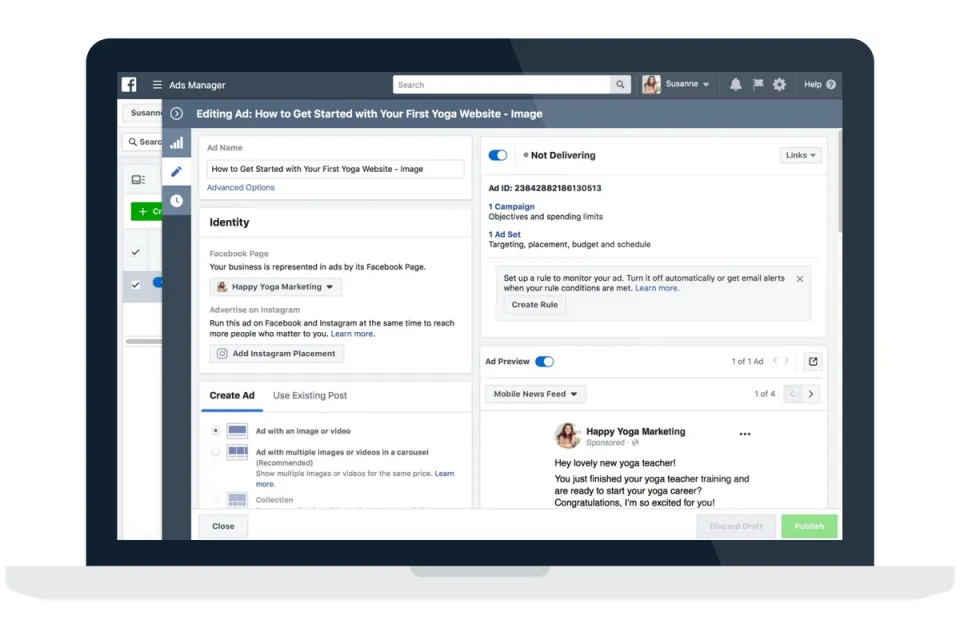
Creating your first Facebook Ad might seem intimidating at first, but the process is actually straightforward when you follow the right steps. Facebook Ads give businesses the ability to reach highly targeted audiences, promote products or services, and drive meaningful results. Here’s a step-by-step guide to help beginners set up their first campaign successfully.
Step 1: Go to Facebook Ads Manager
The first step to creating Facebook Ads is to log into Facebook Ads Manager, the platform where all ad campaigns are managed. Ads Manager is a powerful tool that lets you create, monitor, and optimize your ads in one place. Make sure your Facebook page is connected to the account, as you will need it to run ads.
Step 2: Click Create Ad
Once inside Ads Manager, click on the “Create” button to start a new campaign. Facebook will guide you through the setup process step by step, making it easy even for beginners to follow.
Step 3: Choose Your Campaign Objective
Facebook Ads offer several objectives depending on what you want to achieve. Common objectives include:
- Traffic – Drive visitors to your website or landing page.
- Conversions – Encourage users to complete a purchase or sign up.
- Leads – Collect contact information for future marketing campaigns.
- Brand Awareness – Increase your business visibility.
Choosing the right objective is crucial because it tells Facebook how to optimize your ad for the best results.
Step 4: Select Your Audience and Placement
Targeting is one of the most powerful features of Facebook Ads. You can define your audience based on:
- Demographics: Age, gender, language, and location.
- Interests: Hobbies, activities, and pages liked.
- Behavior: Purchase habits, device usage, and more.
You also need to choose where your ad will appear. You can select automatic placements, which let Facebook optimize your ad across all platforms, or manual placements, such as Facebook feed, Instagram feed, Stories, or Messenger.
Step 5: Set Your Budget and Schedule
Decide how much you want to spend on your campaign. Facebook allows you to set either a daily budget or a lifetime budget. You also choose the schedule for your ad—whether it should run continuously or during specific dates. Starting with a small budget is recommended for beginners so you can test the performance of your ad before scaling.
Step 6: Design Your Ad Creative
The creative is what grabs attention. Facebook Ads can include:
- Images – Simple and visually appealing.
- Videos – Great for storytelling.
- Carousel – Show multiple products or services.
Write a clear, concise, and compelling caption with a strong call-to-action (CTA) to encourage users to click. Make sure your creative is relevant to your target audience.
Step 7: Review and Publish
Before publishing, review all the details of your Facebook Ads campaign. Check your audience targeting, budget, placements, and creative. Once everything looks good, click “Publish”. Your ad will go through Facebook’s review process, which usually takes a few minutes to a few hours. After approval, your ad will start running and reaching your targeted audience.
Creating your first Facebook Ad may take a little practice, but once you understand the steps, it becomes much easier. By carefully defining your objective, audience, budget, and creative, you can launch effective Facebook Ads that drive traffic, leads, and sales for your business.
5. Targeting Your Audience Effectively
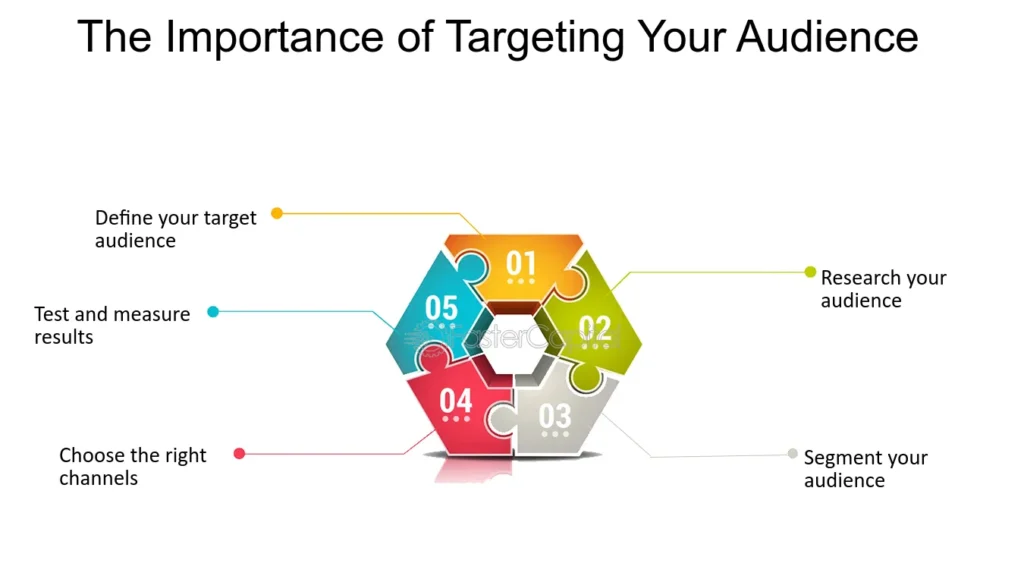
One of the most powerful features of Facebook Ads is the ability to target your audience with incredible precision. Unlike traditional advertising, where your message reaches a broad audience regardless of interest, Facebook Ads allow businesses to focus on people who are most likely to engage with their products or services. Effective targeting ensures that your ad budget is used efficiently and your campaigns deliver better results.
1. Location Targeting
With Facebook Ads, you can target people based on their location, which is especially useful for local businesses or services with a specific geographic focus. You can choose to target by:
- Country – Reach audiences across one or multiple countries.
- City – Focus on users in a specific city.
- Radius – Target people within a certain distance from your business, such as 5 km or 10 miles.
For example, a local bakery can use radius targeting to reach people living near their shop, while an online service might target multiple cities or countries where their audience is located.
2. Demographics
Demographic targeting lets you refine your audience based on age, gender, and language. Facebook Ads allow you to reach the people who are most likely to be interested in your offer. For instance:
- Age: Target products specifically for teenagers, adults, or seniors.
- Gender: Promote gender-specific items like beauty products or men’s accessories.
- Language: Show your ads in the language your audience prefers.
This ensures your ad content is relevant and resonates with the viewers, increasing engagement and conversions.
3. Interests
Interest-based targeting is one of the most popular features of Facebook Ads. You can target users based on their hobbies, pages they follow, and activities they engage in online. For example, a fitness brand can target users interested in health, workouts, or yoga. Similarly, a travel agency can reach people who follow travel pages or frequently search for flights and hotels. Interest targeting allows your business to reach highly engaged audiences who are more likely to respond to your ads.
4. Behavior
Behavioral targeting lets you reach people based on their online actions and habits. Facebook Ads can target users according to:
- Purchase behavior – People who frequently shop online or buy specific products.
- Device usage – Users on mobile, desktop, or specific devices.
- Travel behavior – Users who often travel or are planning trips.
This type of targeting helps businesses deliver personalized and relevant ads to users, which can significantly improve campaign performance and ROI.
5. Combining Targeting Options
The true power of Facebook Ads comes from combining these targeting options. By layering location, demographics, interests, and behaviors, you can create a highly specific audience that is most likely to convert. For instance, a local gym can target women aged 20–35 who live within 10 km, are interested in fitness and healthy eating, and frequently engage with fitness apps.
In conclusion, effective audience targeting is the key to successful Facebook Ads campaigns. By carefully selecting the right locations, demographics, interests, and behaviors, businesses can reach their ideal audience, minimize wasted ad spend, and achieve higher engagement, leads, and sales.
6. Setting a Budget and Schedule
One of the most important steps in running successful Facebook Ads is setting the right budget and schedule for your campaign. Proper budget management ensures that your ads reach the right audience without overspending, while an optimized schedule helps your ad appear at the most effective times.
Daily Budget
A daily budget is the amount of money you are willing to spend on your Facebook Ads each day. For example, if you set a daily budget of $10, Facebook will aim to spend approximately $10 per day to show your ads to your target audience. This option is ideal for beginners or businesses that want to maintain consistent ad delivery over time. Daily budgets give you the flexibility to test your campaigns, monitor performance, and make adjustments without committing a large amount upfront.
Lifetime Budget
A lifetime budget is the total amount you want to spend over the entire duration of your Facebook Ads campaign. For instance, if you set a lifetime budget of $200 for a 10-day campaign, Facebook will automatically optimize ad delivery to spend the budget evenly or at times when your audience is most likely to engage. Lifetime budgets are ideal for campaigns with a fixed timeframe, such as promotions, events, or product launches.
Testing with a Small Budget
When starting with Facebook Ads, it’s always recommended to test with a small budget before scaling. Running ads with a lower budget allows you to experiment with different creatives, targeting options, and ad formats to see what works best. Once you identify high-performing ads, you can gradually increase your budget to maximize results while minimizing risks.
Optimizing Your Schedule
The schedule of your Facebook Ads also plays a crucial role in campaign success. You can choose to run your ads continuously or set a specific start and end date. For example, if you are promoting a weekend sale, you can schedule your ads to run only during those days to maximize relevance and engagement. Additionally, advanced options in Ads Manager allow you to show ads at specific times of day when your target audience is most active online, increasing the chances of clicks and conversions.
Smart Budget Management Tips
- Start small and analyze results before scaling.
- Allocate more budget to high-performing ads.
- Combine daily and lifetime budgets for different campaign types.
- Monitor your campaigns regularly to avoid overspending.
In summary, properly setting a budget and schedule for your Facebook Ads ensures efficient spending, better performance, and higher return on investment (ROI). Careful planning combined with testing and optimization allows businesses to reach their audience effectively while controlling costs.
7. Tips for High-Converting Facebook Ads
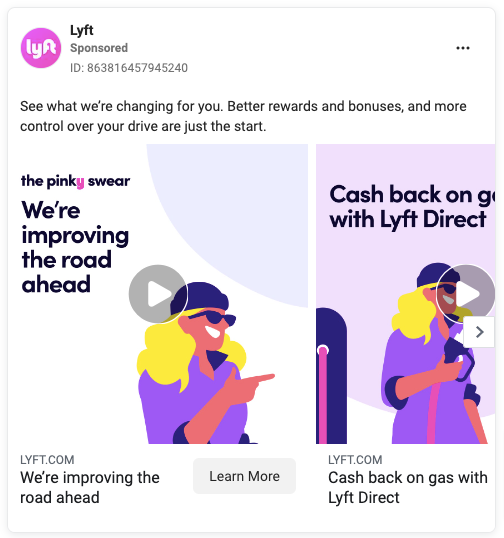
Creating high-converting Facebook Ads requires more than just setting a budget and selecting an audience. To get the best results, you need to focus on creative design, compelling copy, strong calls-to-action, and continuous testing. Here are some detailed tips to help your Facebook Ads perform at their highest potential.
1. Use Eye-Catching Images or Videos
The visual component of your ad is the first thing users notice. High-quality, eye-catching images or videos can significantly improve engagement and conversion rates. Facebook Ads with vibrant colors, clear subjects, and visually appealing designs are more likely to grab attention as users scroll through their feed. Videos are especially effective because they allow you to tell a story, demonstrate a product, or showcase services in an engaging way. Remember, the goal is to stop users from scrolling and make them curious about your offer.
2. Write Clear, Short, and Persuasive Text
The text of your Facebook Ads should be simple, clear, and persuasive. Avoid long paragraphs; instead, focus on short sentences that highlight the benefits of your product or service. Use language that resonates with your target audience and addresses their needs or pain points. For example, instead of saying “We have great shoes,” say “Step into comfort and style with our premium shoes.” Effective ad copy complements your visuals and encourages users to take action.
3. Include a Strong Call-to-Action (CTA)
A strong call-to-action (CTA) is crucial for high-converting Facebook Ads. The CTA tells users exactly what you want them to do next, whether it’s “Shop Now,” “Sign Up,” “Learn More,” or “Get Started.” A clear and compelling CTA increases the likelihood of clicks and conversions. Make sure your CTA is visible and aligns with your campaign objective, whether it’s driving traffic, generating leads, or making sales.
4. Test Different Versions of Ads (A/B Testing)
Testing multiple versions of your Facebook Ads is key to finding what works best for your audience. A/B testing allows you to compare different elements such as images, videos, headlines, text, and CTAs to see which combination performs the best. For example, you can run two ads with the same image but different headlines to determine which one gets more clicks. Continuous testing and optimization help you improve ad performance, reduce wasted spend, and increase conversions over time.
5. Additional Tips for Better Conversion
- Focus on Mobile-Friendly Ads: Most Facebook users access the platform on mobile devices, so ensure your ads look great on smartphones and tablets.
- Use Social Proof: Include testimonials, reviews, or customer ratings to build trust.
- Keep Consistency: Match your ad creative with your landing page to provide a seamless experience.
- Leverage Retargeting: Show ads to users who have already interacted with your business to increase conversion chances.
By following these tips, businesses can create Facebook Ads that not only grab attention but also drive meaningful results. The combination of compelling visuals, persuasive copy, strong CTAs, and ongoing testing ensures that your ads achieve higher engagement, leads, and sales.
8. Common Mistakes to Avoid
- Targeting too broad or too narrow audience.
- Ignoring mobile users.
- Not testing multiple ad creatives.
- Overlooking ad analytics.
9. Tracking and Analyzing Results
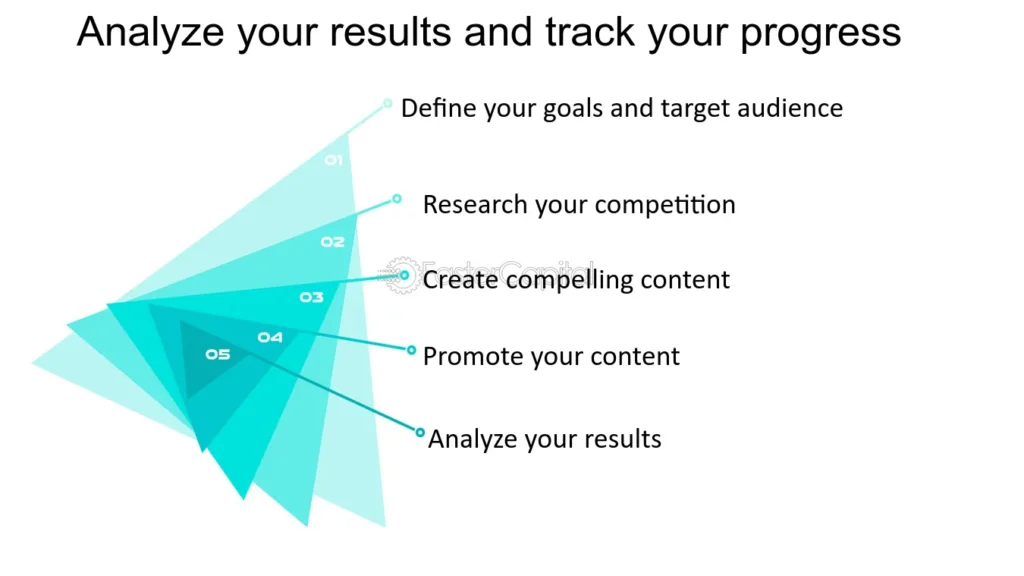
- Use Facebook Pixel to track website actions.
- Monitor metrics like CTR, CPC, conversions, and ROAS.
- Adjust campaigns based on performance.
10. Conclusion
Facebook Ads are one of the most effective and versatile tools available for businesses looking to grow online in today’s competitive digital landscape. With billions of users across Facebook, Instagram, Messenger, and the Audience Network, these ads give businesses the opportunity to reach highly targeted audiences who are most likely to be interested in their products or services.
When used correctly, Facebook Ads allow businesses to achieve multiple objectives—from increasing brand awareness and driving website traffic to generating leads and boosting sales. The key to success lies in understanding your audience, creating compelling visuals and copy, setting the right budget and schedule, and continuously testing and optimizing your campaigns. Businesses that focus on these strategies see significantly higher engagement, improved conversions, and a stronger return on investment (ROI).
Another major advantage of Facebook Ads is the ability to measure and analyze results. Tools like Facebook Pixel and Ads Manager provide detailed insights into ad performance, allowing businesses to understand which campaigns are working, which need adjustments, and how to allocate budgets effectively. This data-driven approach ensures that every advertising dollar is spent wisely and efficiently.
In addition, Facebook Ads are flexible and scalable, making them suitable for businesses of all sizes—from small startups with limited budgets to large enterprises with extensive marketing campaigns. By leveraging the power of precise targeting, engaging creatives, strong calls-to-action, and smart optimization, businesses can reach potential customers more effectively than traditional marketing methods ever allowed.
In conclusion, Facebook Ads are not just an advertising tool—they are a strategic asset for any business aiming to succeed online. Whether you want to attract new customers, build your brand, or increase sales, Facebook Ads provide a cost-effective, measurable, and highly impactful way to grow your business.
For businesses looking to maximize the potential of Facebook Ads and achieve real digital marketing success, expert guidance can make all the difference. Visit KBDigitalFly.com — your trusted partner for creating high-performing campaigns, boosting online visibility, and driving sustainable growth. With the right strategy and support, your business can harness the full power of Facebook Ads to connect with the right audience and achieve long-term success in the digital world.
10 FAQs
1. What are Facebook Ads?
Facebook Ads are paid advertisements that appear on Facebook, Instagram, Messenger, and the Audience Network, helping businesses reach a targeted audience.
2. Why should I use Facebook Ads for my business?
Facebook Ads help businesses increase brand awareness, generate leads, drive traffic, and boost sales with precise audience targeting.
3. How much do Facebook Ads cost?
The cost of Facebook Ads varies based on your target audience, ad objective, and competition. You can start with a small budget and scale gradually.
4. What types of Facebook Ads are available?
Common types include Image Ads, Video Ads, Carousel Ads, Slideshow Ads, and Collection Ads, each designed for different marketing goals.
5. How do I target the right audience with Facebook Ads?
You can target users based on location, demographics, interests, and behavior, ensuring your ads reach the people most likely to engage.
6. Can Facebook Ads work for small businesses?
Yes! Facebook Ads are affordable and scalable, making them ideal for small businesses, startups, and large companies alike.
7. How do I measure the success of Facebook Ads?
Use Facebook Ads Manager and Facebook Pixel to track metrics like clicks, conversions, CTR, CPC, and return on ad spend (ROAS).
8. How long does it take for Facebook Ads to work?
Results can vary. Some campaigns show quick engagement, while others may require testing and optimization over a few days or weeks.
9. What is the difference between daily budget and lifetime budget?
A daily budget is the amount spent per day, while a lifetime budget is the total spent over the entire campaign duration.
10. How can I improve the performance of Facebook Ads?
Use eye-catching visuals, clear copy, strong CTAs, precise targeting, and A/B testing to create high-converting Facebook Ads.
Leave a comment