
Content Marketing
Content Marketing : 10 Easy, Effective & Result-Driven Guide
1. What is Content Marketing?
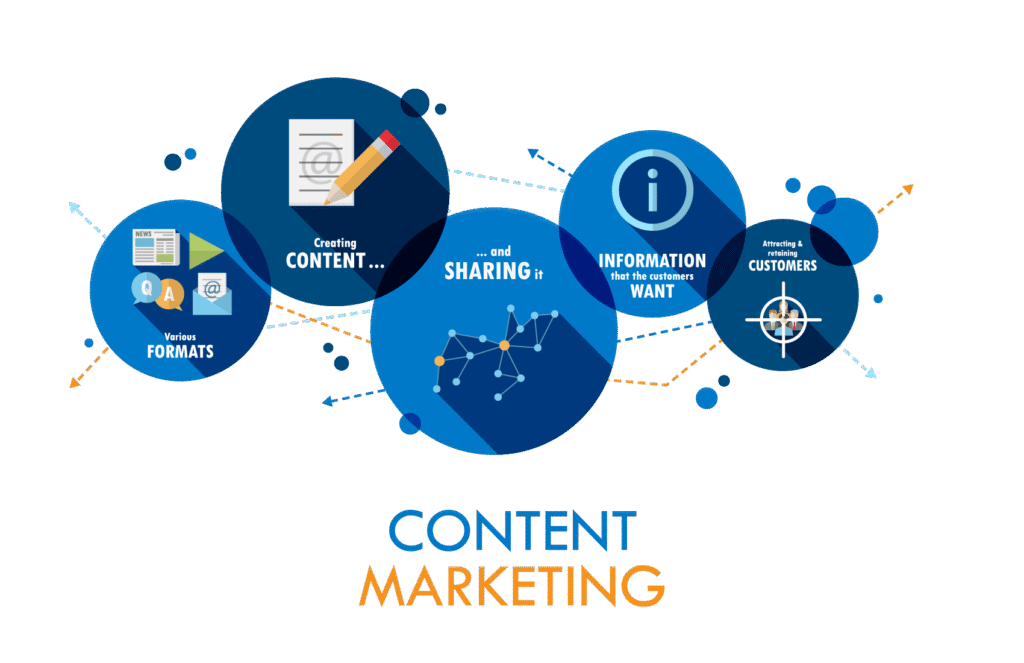
Content Marketing is a strategic digital marketing approach focused on creating, publishing, and distributing valuable, relevant, and consistent content to attract and engage a clearly defined audience. Instead of directly selling, content marketing educates, informs, entertains, and builds trust so your audience eventually becomes loyal customers.
In simple words, content marketing helps businesses connect with people through high-quality content like blogs, videos, social media posts, infographics, podcasts, newsletters, and case studies. This content solves customer problems, answers questions, and guides them through their buying journey.
The power of content marketing lies in delivering value first. When people find helpful content, they trust your brand more, spend more time on your website, and are more likely to purchase from you. Whether you run a small business or a large company, content marketing helps increase visibility, improve SEO, boost engagement, and build long-term customer relationships.
Today, in 2025, content marketing is not just an option—it is a necessity. With rising online competition, your brand needs strong, consistent, customer-focused content to stand out, attract organic traffic, and convert visitors into paying customers.
2. Why Content Marketing Matters in 2025
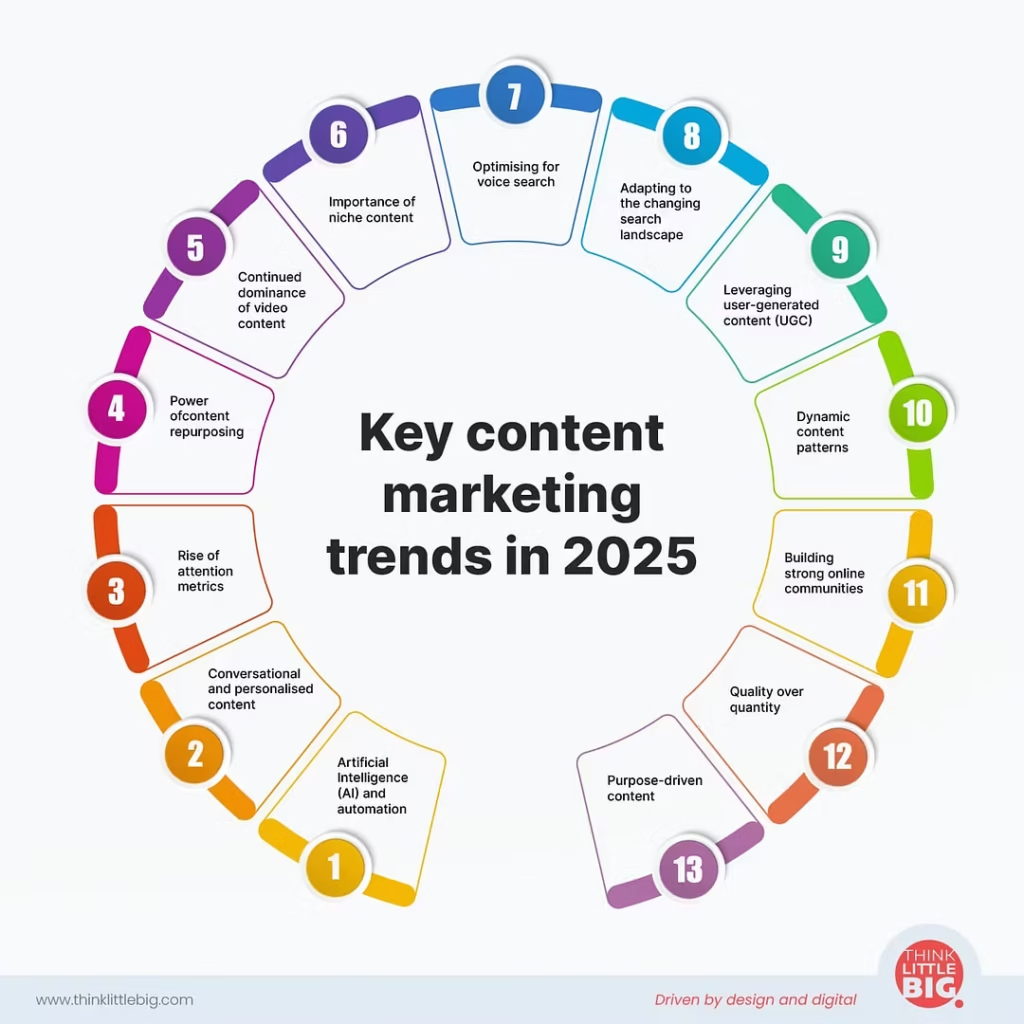
In 2025, digital competition is at its highest. Every brand is fighting for customer attention, and audiences are smarter than ever. This is where content marketing becomes a powerful advantage. Instead of forcing ads or sales messages, content marketing allows brands to educate, guide, and communicate with customers in a natural, value-driven way.
People no longer trust pushy ads—they trust information, storytelling, and authenticity. That’s why content marketing plays a critical role in helping brands stand out. When your business shares helpful blogs, engaging videos, social posts, and problem-solving guides, people begin to see your brand as a trusted expert. This trust leads to higher engagement, better conversions, and stronger customer loyalty.
In 2025, search engines also reward quality content. Google now prioritizes brands that publish consistent, relevant, and user-focused information. With strong content marketing, your website ranks higher, brings more organic traffic, and stays competitive even without spending huge money on ads.
Another reason content marketing matters today is personalization. Customers expect brands to understand their needs. Through targeted articles, niche videos, and tailored messaging, content marketing creates deep emotional connections and helps businesses reach the right audience at the right time.
Simply put, in 2025, content marketing is not just a marketing tool—it is the foundation of visibility, trust, and long-term digital success.
3. Types of Content You Should Create
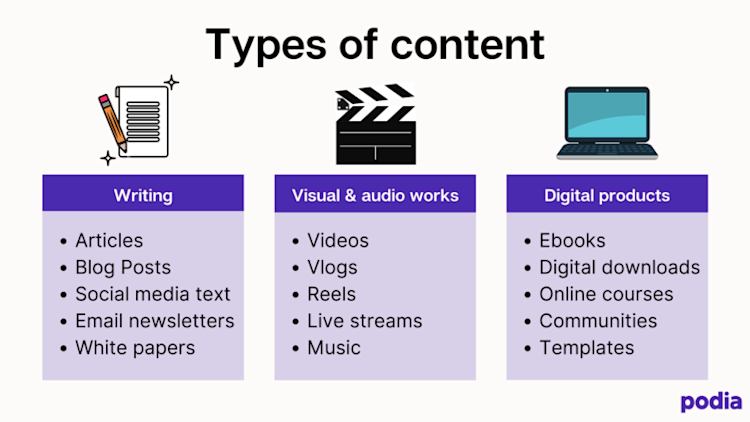
To build a strong content marketing strategy in 2025, you must create different types of content that educate, engage, and convert your audience. Each content format plays a unique role in attracting traffic, building trust, and guiding customers toward your business.
1. Blogs
Blogs are the foundation of effective content marketing. They help answer customer questions, improve Google rankings, and drive organic traffic. High-quality blogs with keywords, tips, and solutions establish your brand as an expert in your niche.
2. Videos & Reels
Short-form videos and reels are dominating social platforms. In modern content marketing, video content increases engagement, boosts brand visibility, and delivers information quickly. People prefer watching over reading, making videos essential for building emotional connections.
3. Social Media Posts
Social media is where your audience spends most of their time. Engaging posts, carousels, and stories help amplify your content marketing efforts by increasing reach, interaction, and brand awareness. Consistent posting builds community and trust.
4. Infographics
Infographics simplify complex information into visually attractive graphics. They make your content marketing more shareable, memorable, and impactful. Infographics are perfect for increasing social shares and boosting website authority.
5. Email Newsletters
Email newsletters are a powerful tool in content marketing because they help maintain long-term relationships with your audience. You can share updates, tips, offers, and personalized content directly to people who already trust your brand.
6. Case Studies
Case studies show real results and success stories. In professional content marketing, they build proof and credibility by demonstrating how your product or service helped customers solve problems. Case studies strongly influence purchasing decisions.
7. E-books & Guides
Long-form content like e-books and guides plays an important role in advanced content marketing. They help educate your audience deeply, capture leads, and position your brand as an industry expert.
4. How Content Marketing Works
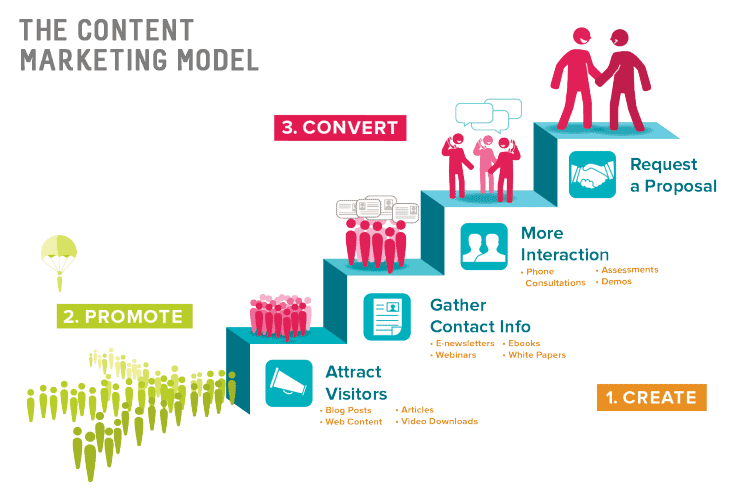
Content Marketing works through a simple but powerful process that guides your audience from awareness to conversion. Instead of selling directly, content marketing builds a relationship with the audience by giving value first. Here’s how the full process works:
Step 1: Create High-Quality Content
The journey begins by creating valuable, relevant, and helpful content such as blogs, videos, guides, newsletters, and social posts. Strong content marketing focuses on solving problems and answering real user questions.
Step 2: Attract the Right Audience
When your content is optimized with SEO keywords, posted consistently, and shared across platforms, it attracts your ideal audience. This is the stage where content marketing helps people discover your brand naturally through search engines, social media, and referrals.
Step 3: Build Trust with Value
Once people consume your content, trust begins to grow. Helpful information, expert advice, and consistent posting make your brand look reliable. This trust is the core of content marketing, because customers buy from brands they trust.
Step 4: Nurture Leads with More Content
After building trust, you nurture your audience through email newsletters, case studies, e-books, and personalized content. This step is crucial in content marketing because it keeps your audience engaged and moves them closer to making a decision.
Step 5: Convert Visitors into Customers
Finally, when your audience believes in your brand and finds your content helpful, they convert into paying customers. Good content marketing naturally leads people from awareness to purchase without any forceful selling.
In simple terms: Content → Attract Audience → Build Trust → Nurture Leads → Convert Customers
This is how content marketing creates long-term growth, strong relationships, and consistent sales for any business.
5. Key Benefits of Content Marketing
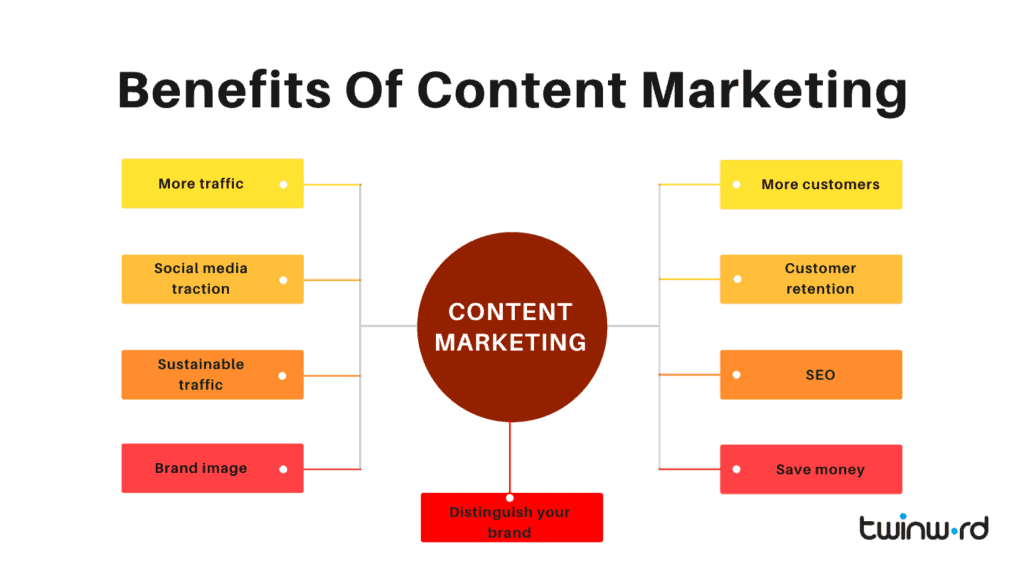
Content marketing offers powerful, long-term advantages that help any business grow naturally and consistently. In 2025, brands that invest in strong, valuable content outperform those relying only on ads. Here are the key benefits of content marketing explained in detail:
1. Boosts Website Traffic
High-quality blogs, videos, and guides attract visitors to your website every day. When you publish helpful content consistently, your organic traffic increases. This is why content marketing is one of the most effective ways to bring steady, long-term traffic without paying for ads.
2. Improves SEO Ranking
Search engines love valuable, informative content. With proper keyword usage, optimized headings, and user-focused writing, content marketing helps your pages rank higher on Google. Better ranking means more visibility, more clicks, and more potential customers finding your brand.
3. Builds Brand Authority
When your brand regularly shares expert insights, problem-solving content, and industry knowledge, people start trusting you. Content marketing positions your business as an expert in your field, making customers choose you over competitors.
4. Increases Trust and Loyalty
The more valuable content you provide, the more trust you earn. Customers stay loyal to brands that guide, educate, and support them. This emotional connection is a major strength of content marketing, helping you build long-term relationships.
5. Drives Long-Term Organic Conversions
Unlike ads that stop working when you stop paying, content marketing keeps delivering results for months or even years. When users find your helpful content, they move through the buying journey naturally and eventually convert into customers.
6. Low-Cost but High-Impact Marketing
Compared to paid advertising, content marketing is affordable and delivers higher ROI. A single well-written blog or video can bring thousands of visitors and hundreds of leads over time. It’s one of the most cost-effective ways to grow a business.
6. Winning Content Marketing Strategies
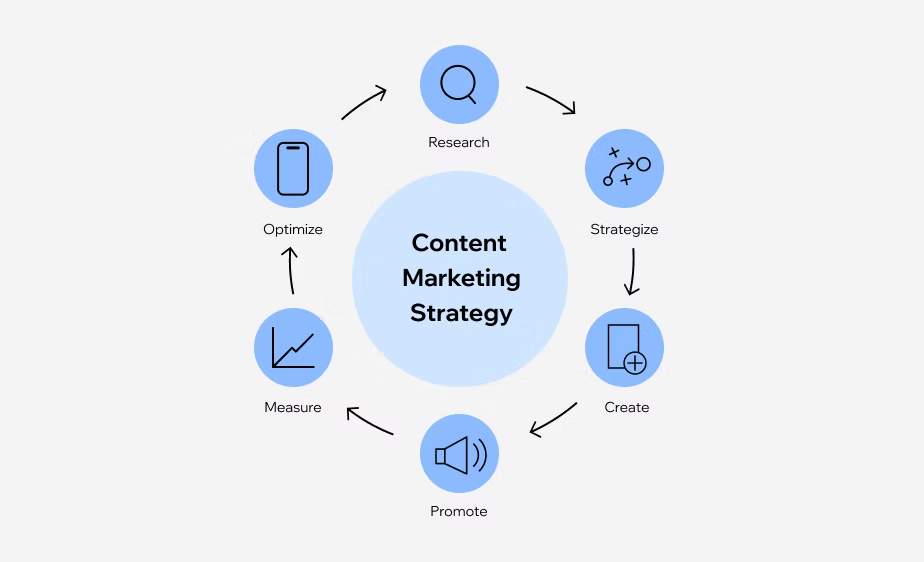
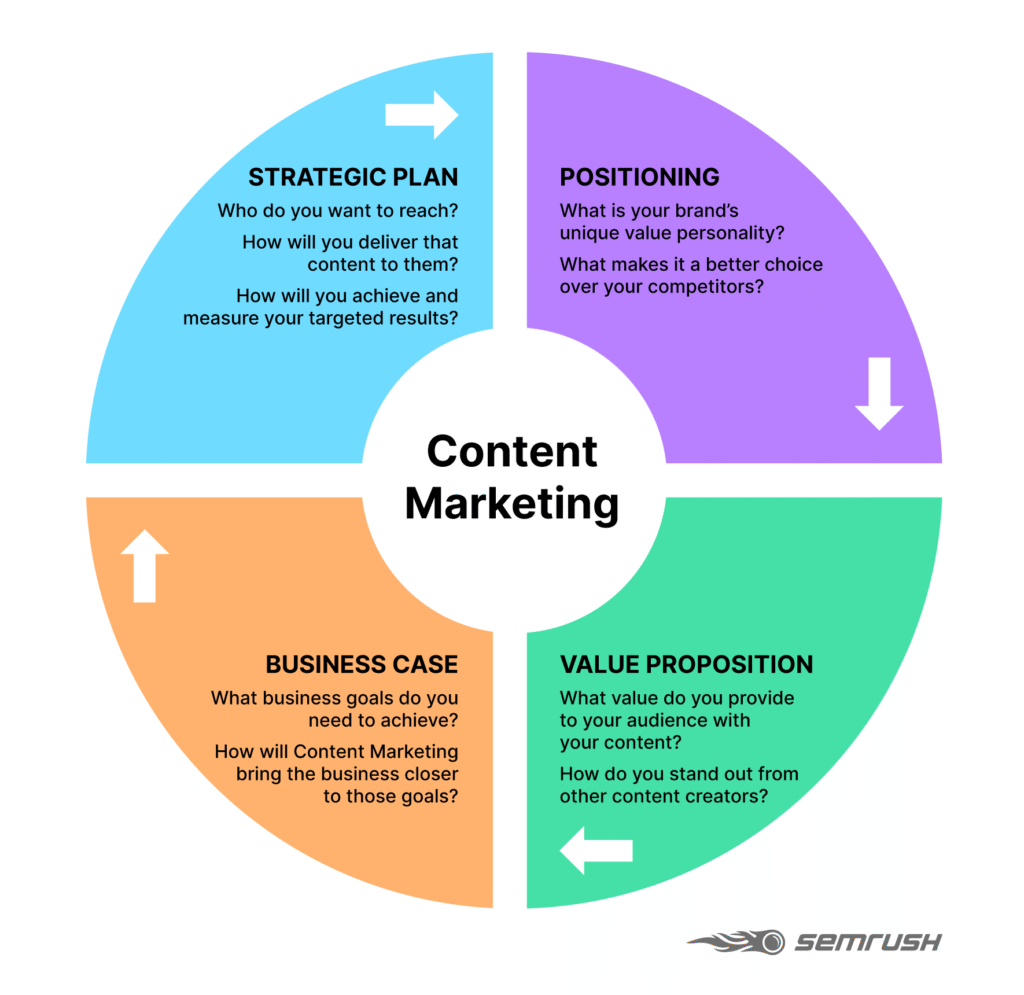
To succeed in 2025, you need smart, practical, and consistent content marketing strategies. These strategies help you create valuable content, reach the right audience, and convert them effectively. Here’s how to build a strong content marketing system:
1. Create High-Quality, Valuable Content
Quality is the heart of content marketing. Your content should answer questions, solve problems, and genuinely help your audience. Whether it’s a blog, video, guide, or carousel, value-driven content builds trust and keeps people coming back.
2. Use Keyword Research for SEO
Strong content marketing always includes proper keyword research. Using the right keywords helps your content rank on Google, attract organic traffic, and reach people who are already searching for what you offer. Tools like Semrush, Ahrefs, and Google Keyword Planner make this easier.
3. Stay Consistent Across Platforms
Posting regularly across blogs, YouTube, and social media keeps your audience engaged. Consistency is a major factor in successful content marketing, because it strengthens your brand presence and improves recognition.
4. Add Storytelling to Increase Engagement
Storytelling connects emotionally with your audience. When you share real experiences, examples, or relatable stories, your content marketing becomes more engaging and memorable. People remember stories more than facts.
5. Repurpose Content for Multiple Channels
One powerful content marketing strategy is repurposing. A single blog can become a video, carousel, email newsletter, or infographic. This saves time, increases reach, and ensures your message stays consistent everywhere.
6. Track Analytics and Improve Continuously
Great content marketing is data-driven. Use analytics to monitor traffic, engagement, keywords, and conversions. This helps you understand what works, what doesn’t, and how to improve your content for better performance.
7. Tools to Improve Your Content Marketing
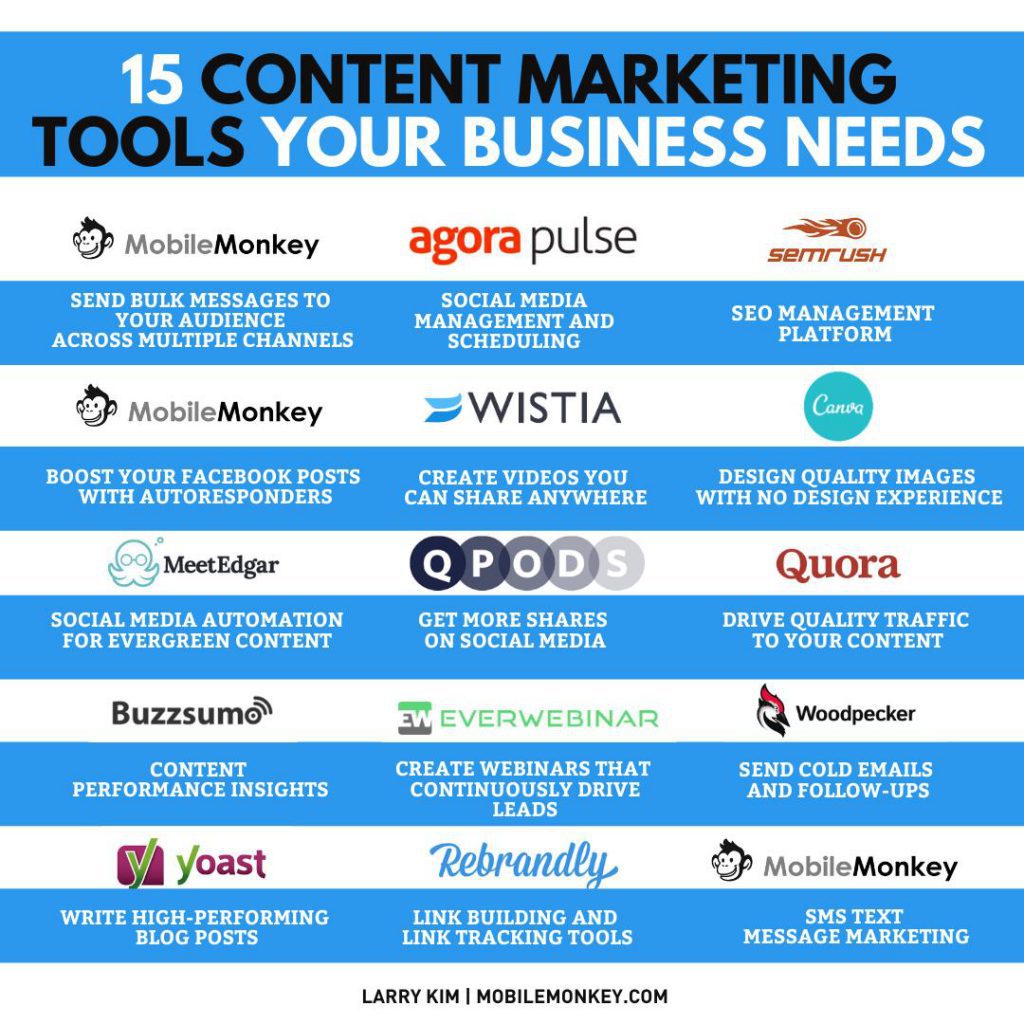
To create powerful, professional, and consistent content marketing results, you need the right set of tools. These tools help in designing, writing, analyzing, and optimizing your content so you can grow faster and stay ahead of competitors. Here’s how each tool supports your content marketing strategy:
1. Canva
Canva is a must-have design tool for modern content marketing. It helps you create eye-catching graphics, social media posts, infographics, thumbnails, presentations, and videos. With thousands of ready-made templates, Canva makes your content look professional even if you are not a designer.
2. Grammarly
Grammarly improves the quality of your writing by fixing grammar errors, improving clarity, and checking tone. High-quality written content is essential for strong content marketing, and Grammarly ensures your blogs, captions, and newsletters sound polished and professional.
3. Google Analytics
Google Analytics is one of the most important tools for tracking your content marketing performance. It shows traffic, user behavior, top-performing content, and conversion patterns. This helps you understand what your audience loves and where you need improvement.
4. Semrush
Semrush is a complete SEO tool that helps you find the best keywords, track rankings, monitor competitors, and audit your website. It plays a huge role in data-driven content marketing, helping you create content that ranks higher and brings more organic traffic.
5. Copy.ai
Copy.ai is useful for generating ideas, headlines, blog outlines, and quick content drafts. It supports your content marketing workflow by speeding up writing and helping you brainstorm new content formats.
6. HubSpot CRM
HubSpot CRM helps you manage leads, track customer interactions, and automate emails. This is essential for advanced content marketing, because it helps nurture leads, personalize communication, and convert visitors into long-term customers.
8. Common Mistakes to Avoid
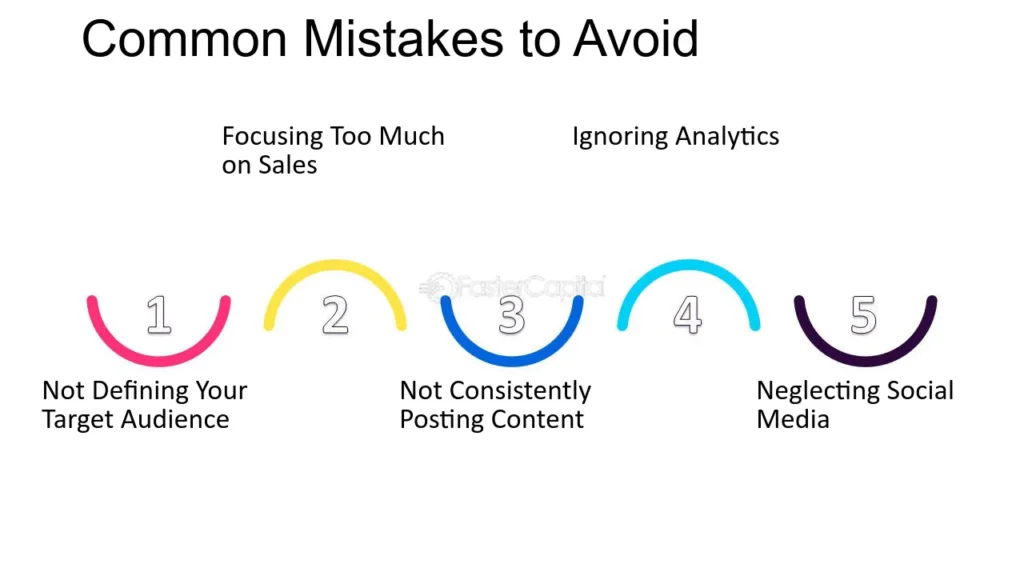
Even the best content marketing plan can fail if you make common mistakes that weaken your strategy. Understanding these mistakes helps you avoid wasted efforts and ensures your content performs well across all platforms. Here are the major mistakes to avoid in effective content marketing:
❌ Publishing Without a Strategy
Posting content without a clear goal, audience plan, or content calendar leads to poor results. Successful content marketing requires planning—knowing what to publish, when to publish, and why it matters to your audience. Strategy ensures your content supports your business goals.
❌ Ignoring SEO
SEO is the backbone of content marketing. If you publish content without optimizing keywords, titles, meta descriptions, URLs, and internal links, your content won’t rank. Ignoring SEO means you lose organic traffic and visibility, even if your content is excellent.
❌ Low-Quality Content
Poor writing, weak research, and generic information damage your brand reputation. Quality is everything in strong content marketing. High-quality, valuable, trustworthy content helps build authority and keeps your audience engaged.
❌ Not Analyzing Performance
Publishing content is not enough—you must track what works and what doesn’t. Without analytics, your content marketing strategy becomes guesswork. Monitoring traffic, engagement, rankings, and conversions helps you improve future content and refine your approach.
❌ No Call-to-Action (CTA)
A major mistake in content marketing is forgetting the CTA. Every blog, video, or post should guide the audience toward the next step—subscribe, contact, buy, sign up, or learn more. A strong CTA increases conversions and moves users along the customer journey.
9. Conclusion
Content marketing is no longer just a trend—it’s a powerful, long-term strategy that builds brand authority, boosts organic traffic, and creates strong customer relationships. In 2025, where online competition is tougher than ever, the brands that win are the ones that provide real value through consistent, high-quality content.
By using blogs, videos, newsletters, case studies, and social media posts, content marketing helps your business connect with the right audience, gain trust, and convert more leads naturally. When you follow smart strategies, avoid common mistakes, and use the right tools, you build a content system that works for you 24/7.
If you want expert guidance, smart strategies, and professional help to grow your business, KBDigitalFly.com is your trusted partner. From SEO to content creation to full digital marketing, KBDigitalFly helps you make content marketing more powerful, profitable, and future-ready.
10. FAQs
1. What is content marketing?
Content marketing is the process of creating valuable content to attract and engage your target audience.
2. Why is content marketing important in 2025?
Because competition is high, and content helps build trust, visibility, and long-term growth.
3. Is content marketing expensive?
No. It is one of the most cost-effective ways to grow your business.
4. How often should I post content?
Posting 2–4 times a week gives the best results.
5. Does content marketing help SEO?
Yes. High-quality content improves ranking, traffic, and user engagement.
6. What type of content works best?
Blogs, videos, social media posts, guides, and newsletters perform very well.
7. How long does it take to see results?
Most businesses see positive results within 3–6 months.
8. Can small businesses use content marketing?
Absolutely! It works for small, medium, and large businesses.
9. Do I need a blog for content marketing?
A blog is highly recommended because it helps with SEO and builds authority.
10. Is video important for content marketing?
Yes. Videos and reels have the highest engagement.
11. What tools help in content marketing?
Tools like Canva, Semrush, Google Analytics, and Grammarly improve efficiency.
12. How do I find content ideas?
Use keyword research, customer questions, competitors, and trending topics.
13. What is a content strategy?
It is a plan that guides what content you create, how often, and for which audience.
14. Should I promote my content?
Yes. Share it on social media, email newsletters, and YouTube for maximum reach.
15. What mistakes should I avoid?
Avoid low-quality content, ignoring SEO, and posting without strategy.
16. Does content marketing replace paid ads?
No, but it reduces dependency on ads and builds long-term organic traffic.
17. Is storytelling important?
Yes. Storytelling increases engagement and emotional connection.
18. How do I measure success?
Track traffic, engagement, rankings, leads, and conversions through analytics.
19. Can content marketing help branding?
Yes. It builds authority, trust, and a strong brand identity.
20. Should I hire a content marketing agency?
If you want expert results and fast growth, hiring an agency like KBDigitalFly can be very beneficial.
Leave a comment