

Cost Per Click (CPC)
CPC Guide: 9 Proven Ways to Fix High CPC in Google Ads
1. Introduction
If you are running ads on Google Ads and noticing that your CPC (cost per click) is too high, you are not alone. Many businesses struggle with high CPC, rising ad costs, and low conversions, which directly impacts their overall marketing performance.
A high CPC means you are paying more money for each click on your ad. When your CPC increases, your budget gets exhausted faster, and your return on investment (ROI) starts decreasing. This is one of the most common problems advertisers face, especially in competitive industries where CPC rates are already high.
The good news is that a high CPC is not permanent. With the right strategies, you can lower your CPC, improve your ad quality, and get better results without increasing your budget. By optimizing your campaigns, targeting the right audience, and improving ad relevance, you can control your CPC effectively.
2. What is CPC in Google Ads?
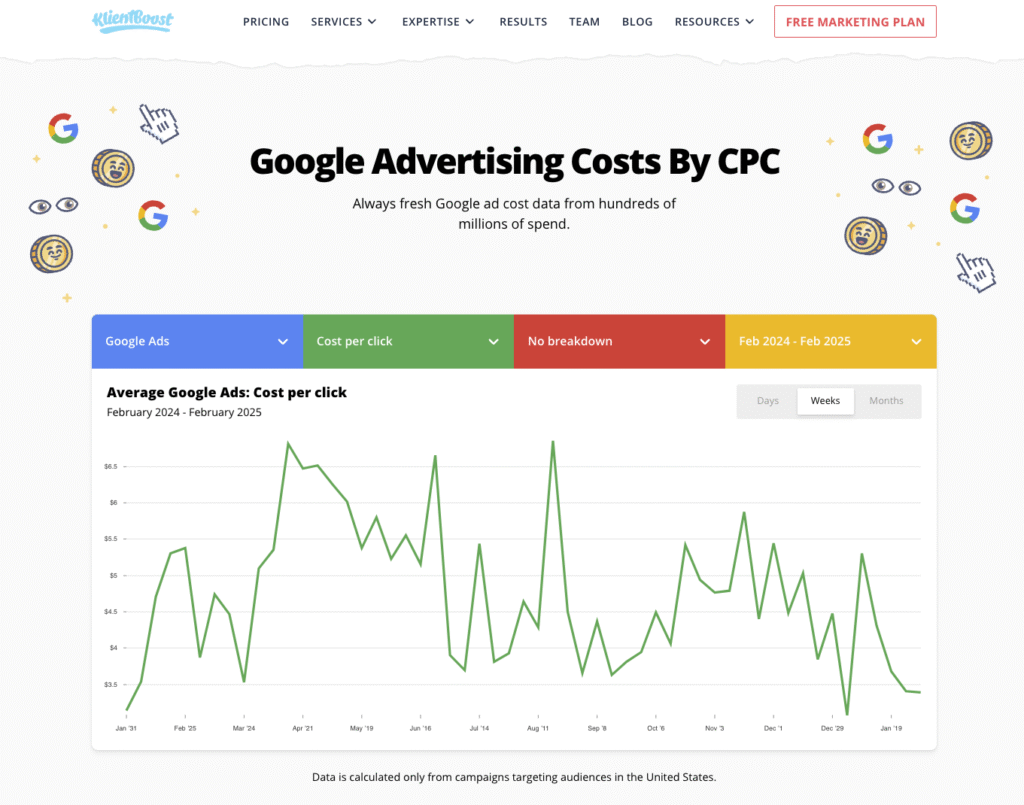
In Google Ads, CPC (Cost Per Click) is the amount you pay every time someone clicks on your advertisement. It is one of the most important metrics that directly affects your advertising budget and performance.
For example, if your CPC is ₹20 and 100 people click on your ad, your total cost will be ₹2000. This is why managing your CPC is very important for running profitable campaigns.
Your CPC is not fixed — it changes based on multiple factors such as competition, keyword selection, ad quality, and bidding strategy. If your campaign is not optimized properly, your CPC can increase quickly, leading to higher spending and lower returns.
A lower CPC allows you to:
Get more clicks within the same budget
Generate more leads
Improve your return on investment (ROI)
On the other hand, a high CPC can reduce your campaign efficiency and waste your budget if those clicks are not converting.
3. Why is Your CPC High?
If your CPC (cost per click) is increasing in Google Ads, it usually means there are issues in your campaign setup or strategy. A high CPC can quickly drain your budget and reduce your overall profitability.
Understanding the reasons behind a high CPC is important so you can fix the problem effectively.
Common Reasons for High CPC:
- Low Quality Score
If your Quality Score is low, Google charges a higher CPC because your ads are not considered relevant.
2. High Competition Keywords
Using broad or highly competitive keywords increases your CPC since many advertisers are bidding on the same terms.
3. Poor Ad Copy
If your ad is not attractive or relevant, it gets fewer clicks, which can increase your CPC over time.
4. Weak Landing Page Experience
A slow or irrelevant landing page can negatively impact your Quality Score and increase your CPC.
5. Wrong Audience Targeting
If you are targeting the wrong audience, your CPC may increase without generating proper results.
6. No Negative Keywords
Without negative keywords, your ads show for irrelevant searches, increasing your CPC and wasting budget.
4. Improve Quality Score to Reduce CPC
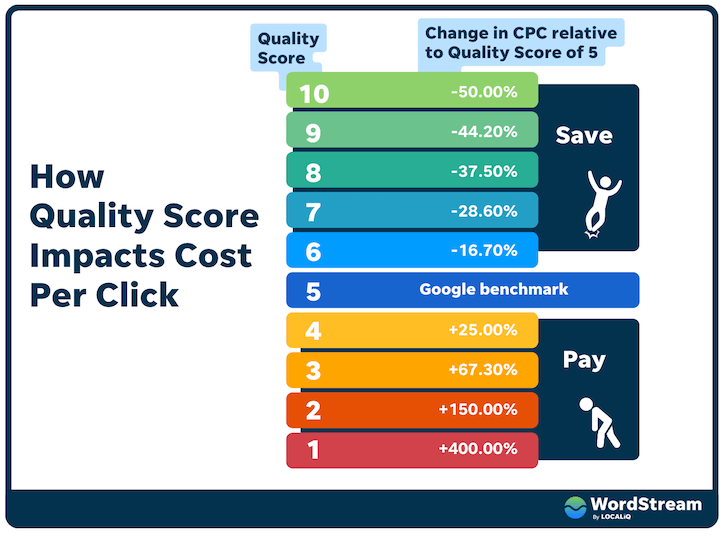
One of the most effective ways to reduce your CPC (cost per click) in Google Ads is by improving your Quality Score. A higher Quality Score tells Google that your ads are relevant and useful, which directly helps in lowering your CPC.
Quality Score is calculated based on three main factors:
Ad relevance
Expected click-through rate (CTR)
Landing page experience
If these factors are not optimized, your CPC will increase because Google sees your ad as less valuable to users.
How to Improve Quality Score and Lower CPC:
- Use Keywords in Your Ad Copy
Make sure your main keyword appears in the headline and description. This improves ad relevance and helps reduce CPC.
2. Increase CTR (Click-Through Rate)
Write engaging ads with strong headlines and clear offers. Higher CTR signals Google that your ad is useful, which lowers your CPC.
3. Improve Landing Page Experience
Your landing page should be fast, mobile-friendly, and directly related to your ad. A better user experience leads to a lower CPC.
4. Match User Intent
Ensure your ad matches what the user is searching for. When intent is clear, your Quality Score improves and your CPC decreases
5. Use Long-Tail Keywords to Lower CPC
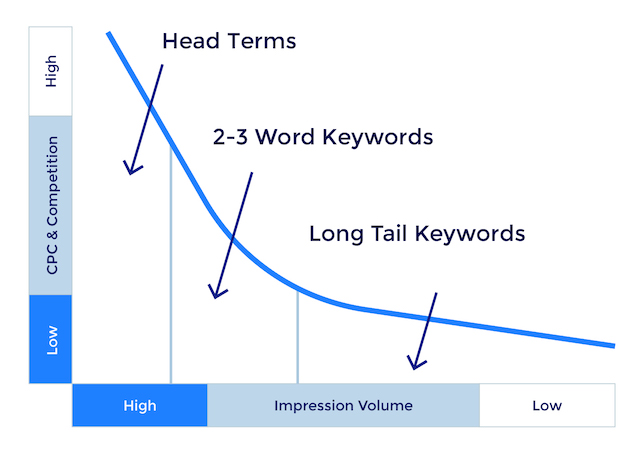
One of the smartest ways to reduce your CPC (cost per click) in Google Ads is by using long-tail keywords. These are more specific search phrases that have lower competition and better targeting, which helps in reducing your overall CPC.
For example:
Short keyword: “marketing” (high CPC, high competition)
Long-tail keyword: “digital marketing agency in Delhi for small business” (lower CPC, higher intent)
Long-tail keywords usually have a lower CPC because fewer advertisers are bidding on them. At the same time, they attract users who already know what they want, which increases the chances of conversion.
Benefits of Long-Tail Keywords for CPC:
- Lower Competition
Less competition means Google charges a lower CPC for each click.
2. Better Targeting
You reach the right audience, which improves ad relevance and reduces unnecessary CPC spend.
3. Higher Conversion Rate
People searching specific queries are more likely to take action, making your CPC more valuable.
4. Improved Quality Score
More relevant keywords improve Quality Score, which directly lowers your CPC.
6. Optimize Ad Copy to Reduce CPC
Your ad copy plays a major role in determining your CPC (cost per click) in Google Ads. If your ad is not engaging or relevant, fewer people will click on it, which can increase your CPC over time.
A well-optimized ad copy improves your click-through rate (CTR), and a higher CTR signals Google that your ad is valuable. This can directly help in lowering your CPC.
How to Optimize Ad Copy for Lower CPC:
- Write Attention-Grabbing Headlines
Use powerful and clear headlines that match user intent. A strong headline increases clicks and helps reduce your CPC.
2. Use Your Main Keywords
Include your target keywords in the ad copy. This improves relevance and lowers your CPC.
3. Add a Strong Call to Action (CTA)
Encourage users to take action with phrases like:
“Get Started Today”
“Book Free Consultation”
Better engagement leads to a lower CPC.
4. Highlight Benefits, Not Just Features
Explain what the user will gain. Ads that clearly show value tend to get more clicks and reduce CPC.
5. Use Numbers and Offers
Adding numbers like “50% Off” or “Get 100 Leads in 30 Days” makes your ad more attractive, improving CTR and lowering your CPC.
7. Improve Landing Page Experience to Reduce CPC
Your landing page plays a crucial role in determining your CPC (cost per click) in Google Ads. Even if your ad is perfect, a poor landing page can increase your CPC and reduce conversions.
Google evaluates your landing page experience as part of your Quality Score. If your page is slow, irrelevant, or difficult to use, your CPC will increase because Google does not see your page as valuable for users.
How to Improve Landing Page and Lower CPC:
- Increase Page Speed
A slow website frustrates users and increases bounce rate, which can raise your CPC. Use fast-loading pages to improve performance.
2. Make It Mobile-Friendly
Most users come from mobile devices. A responsive design improves user experience and helps reduce your CPC.
3. Match Ad Content with Page Content
Your landing page should directly match what your ad promises. Better relevance leads to a lower CPC.
4. Use Clear Call to Action (CTA)
Add strong CTAs like:
“Call Now”
“Get Free Quote”
Clear actions improve conversions and make your CPC more effective.
5. Improve Design and Trust Signals
Use clean design, testimonials, reviews, and trust badges. A professional page increases user confidence and helps control your CPC.
8. Use Negative Keywords to Control CPC
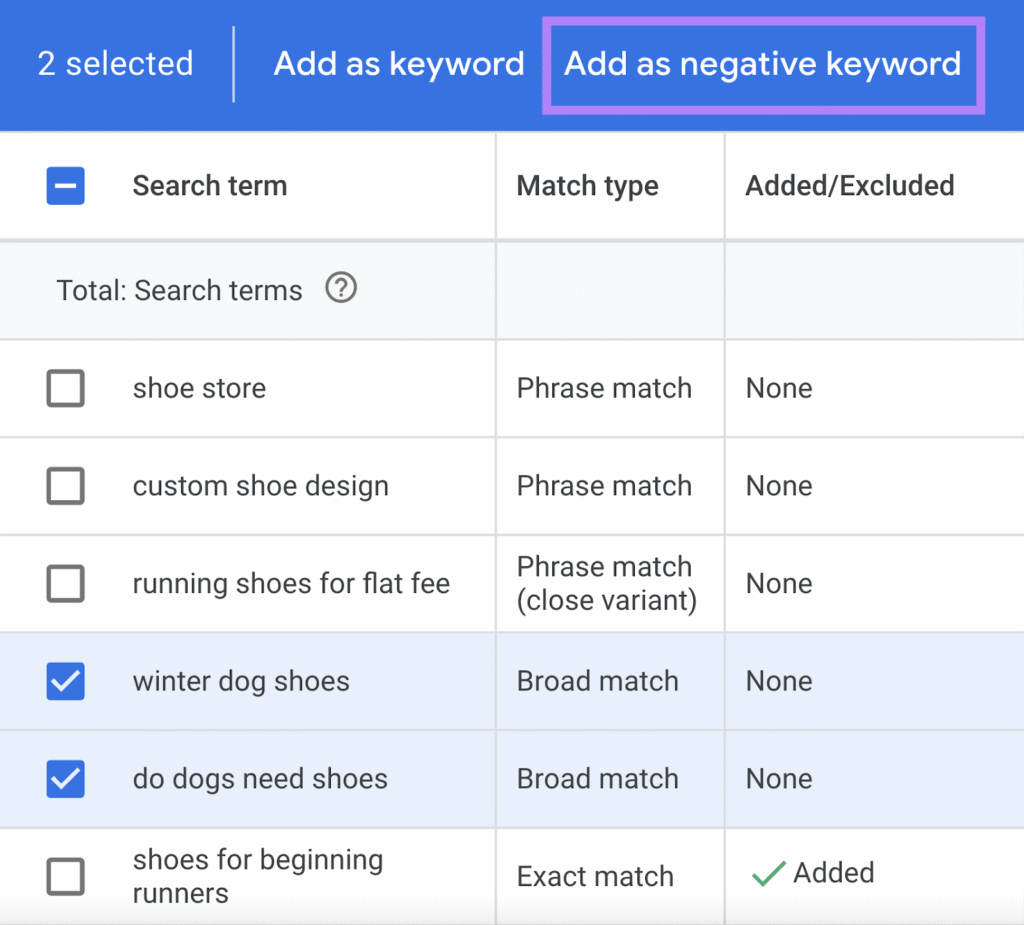
One of the most powerful ways to reduce your CPC (cost per click) in Google Ads is by using negative keywords. These keywords prevent your ads from showing on irrelevant searches, which helps in controlling and lowering your overall CPC.
When you don’t use negative keywords, your ads may appear for searches that are not related to your business. This leads to unwanted clicks, wasted budget, and a higher CPC without any real results.
How Negative Keywords Help Reduce CPC:
- Avoid Irrelevant Clicks
Negative keywords stop your ads from showing to the wrong audience, reducing unnecessary CPC spend.
2. Improve Ad Relevance
Better targeting improves your Quality Score, which helps lower your CPC.
3. Increase Conversion Rate
When only the right audience sees your ads, your chances of conversion improve, making your CPC more effective.
4. Save Budget
You avoid wasting money on useless clicks, which directly helps in reducing your overall CPC.
Examples of Negative Keywords:
❌ free
❌ jobs
❌ course
❌ internship
This ensures your ads are shown only to people who are ready to buy, helping you maintain a lower CPC.
9. Target the Right Audience to Lower CPC
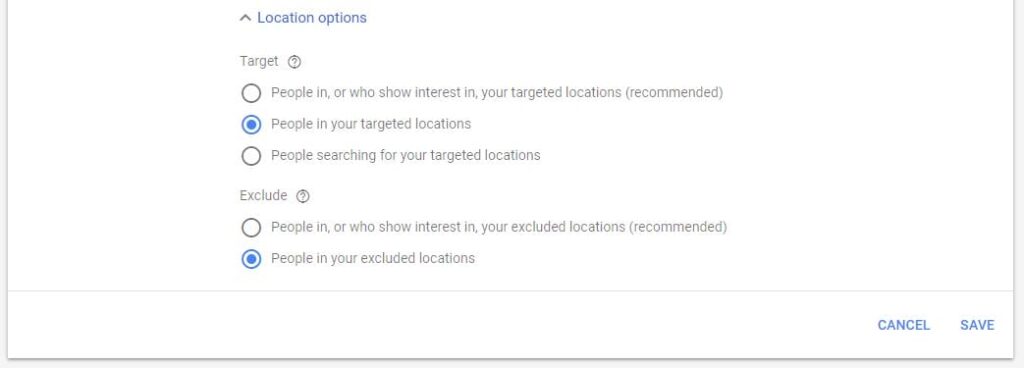
Targeting the right audience is essential if you want to control and reduce your CPC (cost per click) in Google Ads. If your ads are shown to the wrong people, you may get clicks, but your CPC will increase without generating real results.
When your audience targeting is not accurate, Google may charge a higher CPC because your ads are not performing well in terms of engagement and conversions.
How to Target the Right Audience and Reduce CPC:
- Use Location Targeting
Focus on specific locations like your city or service area. For example, targeting “Delhi” instead of all India can help lower your CPC and improve relevance.
2. Refine Audience Segments
Target users based on their interests, behavior, and intent. Better targeting leads to improved ad performance and lower CPC.
3. Use Device Targeting
Analyze whether your audience performs better on mobile or desktop and adjust your bids accordingly to control your CPC.
4. Schedule Your Ads (Ad Timing)
Run ads during peak hours when your audience is most active. This helps improve conversions and reduces wasted CPC.
5. Use Remarketing
Target users who have already visited your website. These users are more likely to convert, making your CPC more efficient.
10. Optimize Bidding Strategy to Reduce CPC
Your bidding strategy plays a major role in controlling your CPC (cost per click) in Google Ads. If you are using the wrong bidding method, your CPC can increase unnecessarily, even if your ads are performing well.
Choosing the right bidding strategy helps you control how much you pay per click and ensures your CPC stays within your budget while delivering good results.
Best Bidding Strategies to Lower CPC:
- Manual CPC Bidding
This allows you to set your own bid amount for each keyword. You have full control over your CPC, which helps in reducing unnecessary spending.
2. Maximize Clicks (With Limit)
This strategy helps you get more clicks, but you should set a bid limit to control your CPC and avoid overspending.
3. Target CPA (Cost Per Acquisition)
Google automatically adjusts bids to get conversions at a set cost. This can indirectly help manage your CPC while focusing on results.
4. Enhanced CPC (ECPC)
This strategy adjusts your bids automatically based on the chances of conversion, helping optimize your CPC.
5. Test and Optimize Regularly
No single strategy works for all campaigns. Regular testing helps you find the best bidding method to reduce your CPC and improve performance.
Conclusion
Managing and reducing your CPC (cost per click) in Google Ads is essential if you want to run profitable ad campaigns. A high CPC can quickly drain your budget, but with the right strategies, you can take full control of your ad costs.
By improving your Quality Score, using long-tail keywords, optimizing ad copy, and targeting the right audience, you can effectively lower your CPC while increasing conversions. Small improvements in your campaign can lead to a significant drop in CPC and better overall performance.
FAQs
Q1. What is CPC in Google Ads?
CPC (cost per click) is the amount you pay each time someone clicks on your ad in Google Ads. It directly affects your advertising budget and campaign performance.
Q2. What is a good CPC rate?
A good CPC depends on your industry. Lower CPC is better, but the focus should be on getting conversions along with a reasonable CPC.
Q3. Why is my CPC so high?
Your CPC may be high due to low Quality Score, high competition, poor ad copy, or wrong targeting.
Q4. How can I reduce my CPC quickly?
To reduce your CPC, improve ad relevance, use long-tail keywords, and add negative keywords to avoid wasted clicks.
Q5. Does Quality Score affect CPC?
Yes, a higher Quality Score can significantly lower your CPC, while a low score increases your ad costs.
Q6. Are long-tail keywords good for CPC?
Yes, long-tail keywords usually have lower competition, which helps reduce your CPC and improve targeting.
Q7. Can a low CPC give good results?
Yes, a low CPC combined with proper targeting and optimization can generate high-quality leads and better ROI.
Q8. How does competition affect CPC?
Higher competition increases your CPC because more advertisers are bidding on the same keywords.
Q9. What is the difference between CPC and CPA?
CPC is the cost per click, while CPA (cost per acquisition) is the cost per conversion. Both are important for campaign success.
Q10. How often should I optimize my CPC campaigns?
You should regularly monitor and optimize your campaigns to maintain a low CPC and improve performance.
Related Articles

4 Comments
Leave a comment
Recent Posts

October 12, 2026
Google Ads Qualified Leads

September 26, 2026
Google AI Overviews

September 25, 2026
Claro y práctico. Prueba SaveYT: . SaveYT
Buen post. Recomiendo Gem Transcribe () para reuniones y podcasts. Gem Transcribe
Clear and useful tips here. One AI video tool I use is MiniMax H3 Video Generator: /. MiniMax H3 Video Generator
Buen post. Recomiendo MAI Transcribe 2 () para reuniones y podcasts. MAI Transcribe 2