

Productivity
7 Powerful Hacks To Boost Productivity For Better results
1. Introduction: Why Productivity Matters More Than Ever
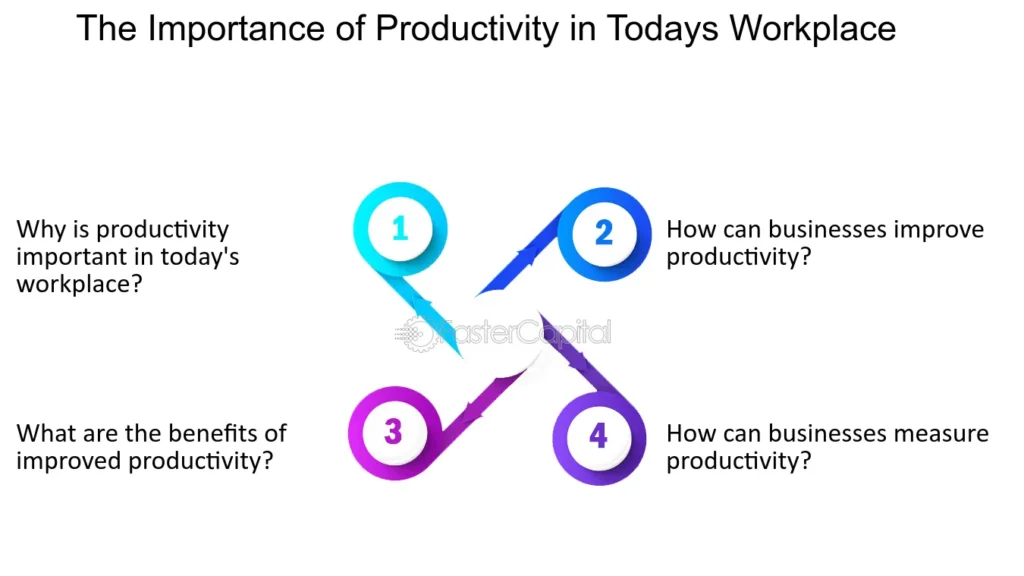
- In today’s fast-moving and competitive world, productivity has become one of the most important skills for success. No matter whether you are a student, employee, freelancer, business owner, or job seeker, your level of productivity directly decides the quality of your results. When productivity improves, everything else—performance, confidence, and growth—improves automatically.
- Productivity is not just about working for long hours. It is about using your time, energy, and focus in the smartest way possible. A productive person knows what to do, when to do it, and how to do it efficiently. This is why productivity matters more than ever in modern life, where distractions are everywhere and time feels limited.
- High productivity helps you complete tasks faster without feeling overworked. Instead of rushing at the last moment, productivity allows you to stay organized and calm. When your productivity level is high, you experience less mental stress because your work is planned and under control. This mental clarity further boosts productivity, creating a positive cycle of better focus and better results.
- Another major benefit of productivity is improved focus and clarity. With strong productivity habits, you know your priorities clearly. You stop wasting time on unimportant tasks and focus on what truly matters. This clarity increases productivity and helps you move closer to your goals every single day.
- Most importantly, productivity plays a crucial role in achieving both personal and professional goals. Whether your goal is to score better marks, grow your career, start a business, or improve your lifestyle, productivity acts as the foundation. Without productivity, even the best goals remain dreams. With productivity, small daily actions turn into big achievements over time.
- In simple words, better productivity means better control over your time, better balance in life, and better results overall. When productivity becomes a habit, success becomes a natural outcome—not a struggle.
2. What Is Productivity?
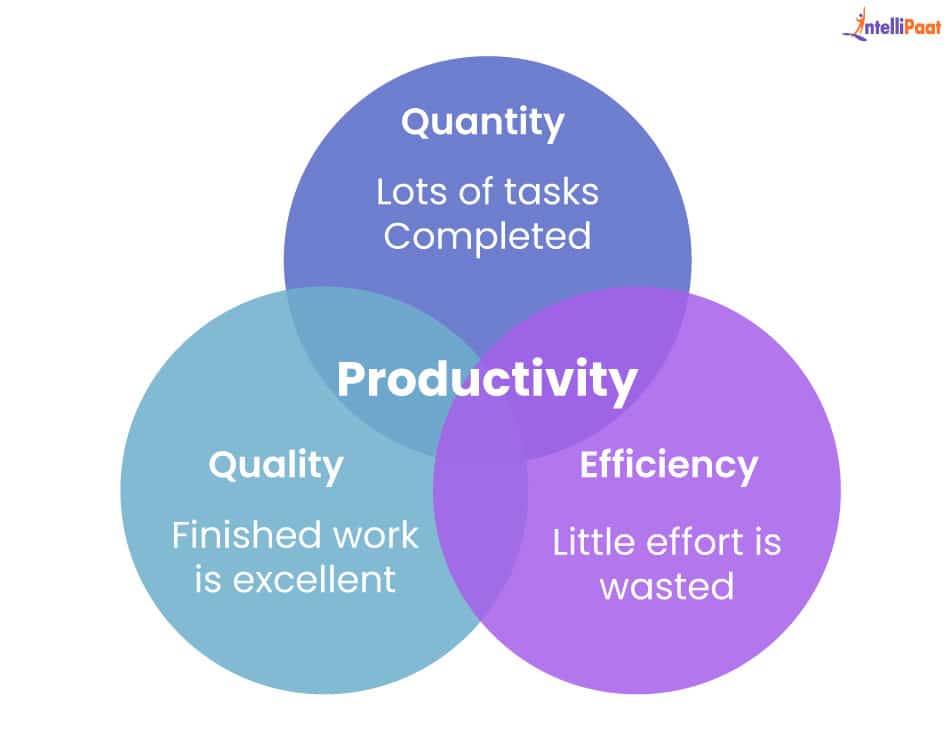
- Productivity is the ability to get the right work done in the right way, within the right time. In simple terms, productivity means doing more meaningful work with less effort and less time. It is not about being busy all day; it is about being effective and focused on tasks that actually matter.
- Many people think productivity means working nonstop for long hours, but that is not true. Real productivity is about smart planning, clear priorities, and focused execution. A person with good productivity knows how to manage time, avoid distractions, and use energy wisely. This is why productivity is considered a skill, not just a habit,
- Productivity also means reducing wasted effort. When your productivity is high, you stop spending time on unnecessary activities and focus only on important tasks. This improves both the quality and speed of your work. High productivity helps you finish tasks on time while maintaining accuracy and balance.
- Another simple way to understand productivity is this:
👉 Productivity = Useful Results ÷ Time and Effort.
- If you get better results in less time, your productivity increases. If you work more but achieve less, productivity decreases. This shows why productivity is more about outcomes than activity.
- In daily life, productivity helps you stay organized, calm, and confident. Whether you are studying, working, or managing personal responsibilities, productivity allows you to make progress without stress. Over time, consistent productivity builds discipline, improves confidence, and leads to long-term success.
- In short, productivity is not about doing everything—it is about doing the right things efficiently. When you understand productivity clearly, improving productivity becomes easier and more natural.
3. Hack #1: Set Clear and Achievable Goals
- One of the biggest reasons people struggle with productivity is the lack of clear goals. When your goals are unclear, your productivity automatically drops because you don’t know where to focus your time and energy. Clear and achievable goals act like a roadmap that guides your productivity in the right direction.
- Productivity improves when you know exactly what you need to do. Instead of feeling confused or overwhelmed, goal setting gives your work purpose. When your brain has clarity, productivity increases naturally because you are no longer wasting time deciding what to do next.
Why Clear Goals Boost Productivity
- Clear goals improve productivity in many ways: They give direction to your daily work They reduce procrastination They save time and mental energy They improve focus and motivation
- When goals are specific, productivity becomes measurable. You can track progress, stay motivated, and improve productivity step by step.
How to Set Goals for Better Productivity
To increase productivity, your goals should be simple and realistic:
Break big goals into small tasks Set daily and weekly targets Write your goals down clearly Focus on one goal at a time
For example, instead of saying “I want to be productive today”, say:
👉 “I will complete two important tasks before noon.”
This clarity immediately improves productivity.
Small Goals = Big Productivity Results
- Small, achievable goals help maintain consistent productivity. When you complete small tasks, your confidence grows, and your productivity level rises. This creates momentum, making it easier to stay productive throughout the day.
- Without clear goals, productivity becomes random. With clear goals, productivity becomes intentional and powerful.
- In short, clear and achievable goals are the foundation of strong productivity. If you want to improve productivity quickly, start by defining your goals clearly—because focused goals always lead to focused productivity.
4. Hack #2: Plan Your Day with Time Blocking
- If you want to improve productivity, planning your day is essential. One of the most effective ways to increase productivity is time blocking. Time blocking means dividing your day into specific time slots and assigning one task to each slot. This simple method brings structure, clarity, and control to your daily routine, which directly boosts productivity.
- When your day is unplanned, productivity suffers. You jump from one task to another, waste time deciding what to do next, and feel stressed. With time blocking, your productivity improves because every task has a fixed time. You work with intention instead of confusion.
How Time Blocking Improves Productivity
Time blocking increases productivity by:
Reducing procrastination Preventing multitasking Improving focus and discipline Helping you manage time better
When you know you have limited time for a task, you naturally focus more. This focused work leads to higher productivity and better results.
How to Use Time Blocking for Maximum Productivity
To use time blocking effectively and increase productivity:
Start your day by listing important tasks Assign a specific time slot to each task Keep buffer time for breaks and rest Stick to the schedule as much as possible
You can use a simple notebook or digital tools like Google Calendar to plan your day. Seeing your schedule visually helps maintain productivity throughout the day.
Best Time Blocking Tips for Better Productivity
- Schedule important tasks during your peak energy hours Avoid overloading your schedule Review your time blocks at the end of the day With consistent practice, time blocking turns productivity into a habit. Instead of reacting to tasks, you start controlling your time, which leads to long-term productivity improvement. In simple words, time blocking helps you work smarter, stay focused, and achieve higher productivity every day.
5. Hack #3: Use the 80/20 Rule to Focus on What Truly Matters
- One of the smartest ways to improve productivity is by following the 80/20 Rule, also known as the Pareto Principle. This rule simply means that 80% of your results come from just 20% of your efforts. Understanding and applying this concept can completely transform your productivity.
- Many people waste time on low-value tasks that look busy but give very little result. This reduces productivity and increases stress. When you identify the most important tasks and focus on them, your productivity increases without working extra hours.
- How the 80/20 Rule Improves Productivity
- The 80/20 Rule boosts productivity by helping you: Focus on high-impact tasks Eliminate unnecessary work Save time and energy Get better results with less effort Instead of doing everything, productivity improves when you do the right things.
- How to Apply the 80/20 Rule for Better Productivity
- To use this rule and increase productivity, ask yourself: Which tasks give the best results? Which activities waste most of my time? What 20% of work improves my productivity the most? Once identified, give priority to those tasks every day. This simple shift can double your productivity.
- Example of the 80/20 Rule in Daily Life
- Instead of completing 10 small tasks with low value, focus on the 2 tasks that move you closer to your goals. This approach reduces overload and increases productivity quickly. The more you practice this method, the more natural productivity becomes. You stop feeling busy and start feeling effective. In short, the 80/20 Rule teaches you that productivity is not about doing more—it’s about doing what matters most. When you focus on high-impact work, productivity and results improve together.
6. Hack #4: Eliminate Distractions to Protect Your Productivity
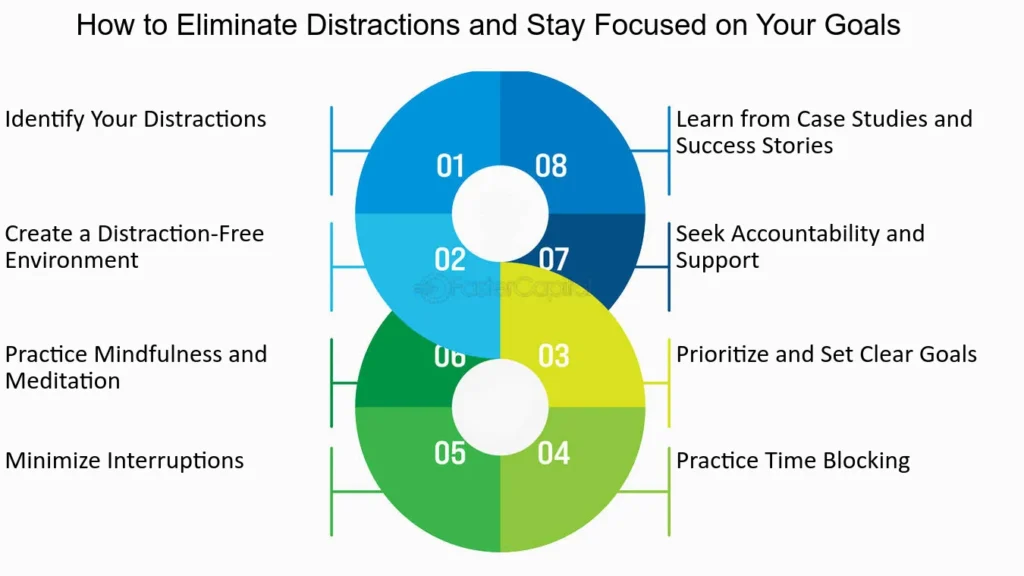
- Distractions are one of the biggest enemies of productivity. Even small interruptions can break your focus and reduce productivity without you realizing it. In today’s digital world, constant notifications, social media, and multitasking make it harder to stay productive. That is why eliminating distractions is essential for maintaining strong productivity.
- When distractions are present, your mind keeps switching between tasks. This lowers concentration and damages productivity. On the other hand, a distraction-free environment allows deep focus, which significantly improves productivity and work quality.
- Common Distractions That Reduce Productivity
- Some of the most common productivity killers include: Mobile phone notifications Social media scrolling Unplanned calls and messages Multitasking between tasks Each of these distractions steals your time and weakens your productivity.
- How to Eliminate Distractions for Better Productivity
- To improve productivity, take these simple steps: Turn off unnecessary notifications Keep your phone away while working Work on one task at a time Use task management tools like Trello to stay organized These small changes create a focused environment where productivity can grow.
- Deep Focus = High Productivity
- When distractions are removed, your brain can fully focus on one task. This deep focus leads to faster completion, fewer mistakes, and higher productivity. You also feel more satisfied because your work gets done properly.
7. Hack #5: Follow the Pomodoro Technique to Maintain Productivity
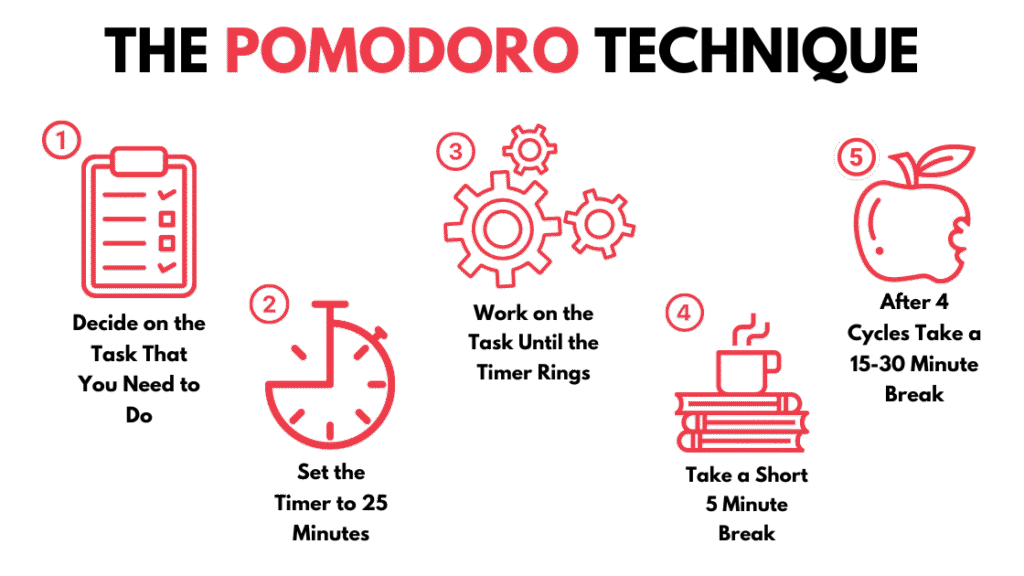
- Maintaining productivity for long hours can be challenging, especially when mental fatigue sets in. One proven method to stay focused and productive is the Pomodoro Technique. This technique helps you work in short, focused sessions, making productivity easier and more sustainable.
- The Pomodoro Technique is based on the idea that the brain works best when given regular breaks. Instead of forcing yourself to work continuously, this method improves productivity by balancing focus and rest.
- How the Pomodoro Technique Works
- The basic structure of the Pomodoro Technique is simple: Work for 25 minutes with full focus Take a 5-minute short break Repeat this cycle 4 times After 4 cycles, take a longer break (15–30 minutes) This structured approach keeps your productivity high without exhausting your mind.
- Why the Pomodoro Technique Boosts Productivity
- This technique improves productivity by: Reducing mental fatigue Improving concentration Preventing burnout Making tasks feel manageable Short work sessions create urgency, which naturally increases productivity.
- How to Use Pomodoro for Daily Productivity
- To get the best productivity results: Choose one task per session Remove distractions before starting Use a simple timer or apps to track time Respect both work and break time Over time, this technique trains your brain to focus better, leading to long-term productivity improvement.
8. Hack #6: Take Smart Breaks to Recharge and Improve Productivity
- Many people believe that working continuously increases productivity, but in reality, the opposite is true. Without proper breaks, your brain becomes tired, focus drops, and productivity slowly decreases. Taking smart breaks is essential to maintain energy, clarity, and long-term productivity.
- Productivity is not about pushing yourself non-stop. It is about knowing when to pause so you can return with better focus. Smart breaks refresh your mind and help you stay productive throughout the day.
- Why Breaks Are Important for Productivity Regular breaks improve productivity because they: Reduce mental fatigue Improve concentration Prevent burnout Refresh creativity and thinking When you rest your brain, productivity increases naturally after the break.
- What Are Smart Breaks?
- Smart breaks are short, intentional breaks that recharge your body and mind without distracting you. These breaks support productivity instead of harming it. Examples of smart breaks for better productivity include: Taking a short walk Deep breathing or stretching Drinking water Closing your eyes for a few minutes Avoid social media during breaks, as it reduces productivity instead of restoring it.
- How to Use Breaks for Maximum Productivity
- To maintain strong productivity: Take a 5–10 minute break after focused work Stand up and move your body Return to work with a clear goal When breaks are used wisely, they become a powerful tool for productivity. You feel refreshed, motivated, and ready to perform better.
9. Hack #7: Review and Improve Your Productivity Daily
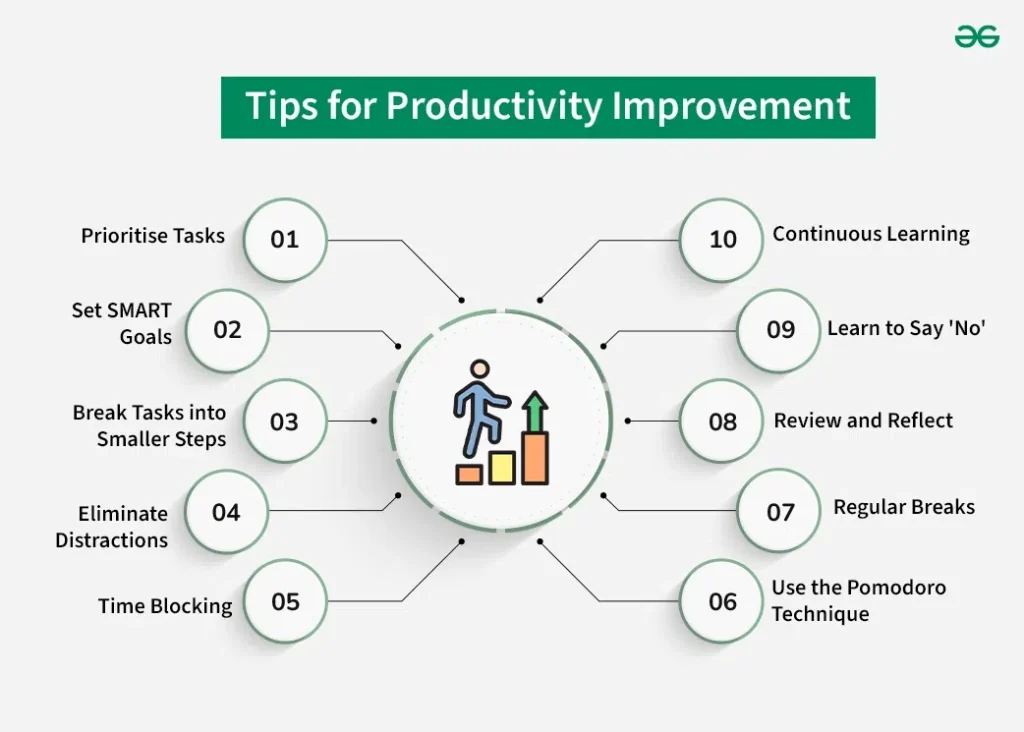
- One of the most powerful yet often ignored habits for long-term productivity is daily review. Improving productivity is not a one-time action—it is a continuous process. When you review your day regularly, you understand what worked, what didn’t, and how to improve your productivity tomorrow.
- Daily review helps you stay aware of your habits. Without review, productivity becomes random. With review, productivity becomes intentional and controlled.
- Why Daily Review Is Important for Productivity A daily review improves productivity because it: Helps identify time-wasting activities Shows which tasks boosted productivity Improves planning for the next day Builds self-discipline and consistency By reviewing your day, you learn how to improve productivity step by step.
- What to Review Each Day for Better Productivity
- At the end of the day, ask yourself these simple questions: What tasks did I complete today? Where did my productivity drop? What distracted me the most? How can I improve productivity tomorrow? These questions help you track your progress and make better decisions.
- How Daily Review Builds Long-Term Productivity
- When you review your productivity daily, you start noticing patterns. You understand your peak focus times, your weak points, and your strengths. This awareness helps you adjust your routine and improve productivity consistently. Even a 5-minute daily review can create a big impact on productivity over time.
10. Common Productivity Mistakes to Avoid
- Even with the best intentions, certain habits can silently damage your productivity. Many people try to improve productivity by working harder, but they ignore the mistakes that reduce productivity every day. Identifying and avoiding these common productivity mistakes is essential for achieving better results with less stress.
- Mistake #1: Working Without a Plan
- Starting your day without a plan leads to confusion and low productivity. When tasks are unorganized, you waste time deciding what to do next, which reduces productivity.
- ✔ Fix: Plan your day and set clear priorities.
- Mistake #2: Multitasking Too Much
- Multitasking may feel productive, but it actually lowers productivity. Switching between tasks reduces focus and increases errors.
- ✔ Fix: Focus on one task at a time to improve productivity.
- Mistake #3: Ignoring Breaks
- Skipping breaks leads to mental fatigue and poor productivity. Without rest, your energy and focus drop quickly.
- ✔ Fix: Take smart breaks to recharge and maintain productivity.
- Mistake #4: Setting Unrealistic Goals
- Overloading your schedule with impossible goals reduces motivation and productivity.
- ✔ Fix: Set realistic and achievable goals to build consistent productivity.
- Mistake #5: Letting Distractions Control You
- Constant phone use, social media, and notifications kill productivity silently.
- ✔ Fix: Remove distractions and create a focused environment. Avoiding These Mistakes = Better Productivity When you avoid these common errors, your productivity improves naturally. You work with clarity, stay focused, and achieve better results without burnout.
11. Final Thoughts: Turn Productivity into a Daily Habit
- Productivity is not a one-day trick or a temporary motivation boost—it is a daily habit that grows stronger with consistency. Many people try to improve productivity by making big changes, but real productivity comes from small actions practiced every day.
- When you focus on building productive habits, your productivity improves naturally over time. Simple actions like planning your day, setting clear goals, removing distractions, and reviewing your progress can create long-term productivity without stress.
- The key to sustainable productivity is consistency, not perfection. Some days your productivity will be high, and some days it may feel low. What matters is continuing the habit of improving productivity step by step, instead of giving up.
- By applying the productivity hacks discussed in this blog, you learn how to work smarter, not harder. Over time, these habits save time, reduce stress, and help you achieve better results in both personal and professional life.
FAQs
Q1. What is productivity in simple words?
Productivity means getting important work done efficiently in less time, with better focus and less stress.
Q2. Why is productivity important in daily life?
Productivity helps you manage time better, reduce pressure, and achieve personal and professional goals faster.
Q3. How can I improve productivity every day?
You can improve productivity by planning your day, setting clear goals, avoiding distractions, and reviewing your progress daily.
Q4. Does working longer hours increase productivity?
No. Working longer hours without breaks often reduces productivity. Smart, focused work improves productivity more than long hours.
Q5. What is the biggest enemy of productivity?
Distractions like mobile phones, social media, multitasking, and lack of planning are the biggest productivity killers.
Q6. Can breaks really improve productivity?
Yes. Smart breaks refresh your mind and help maintain high productivity for longer periods.
Q7. Is multitasking good for productivity?
No. Multitasking lowers focus and reduces productivity. Doing one task at a time improves productivity.
Q8. How does goal setting help productivity?
Clear goals give direction and focus, which increases productivity and reduces wasted time.
Q9. Can students also improve productivity using these hacks?
Yes. Students can use productivity techniques to study better, manage time, and reduce exam stress.
Q10. How long does it take to build good productivity habits?
With daily practice, productivity habits
Related Articles



Recent Posts

October 12, 2026
Google Ads Qualified Leads

September 26, 2026
Google AI Overviews

September 25, 2026
Leave a comment